Focused arrival windows
Useful updates and clear arrival timing.
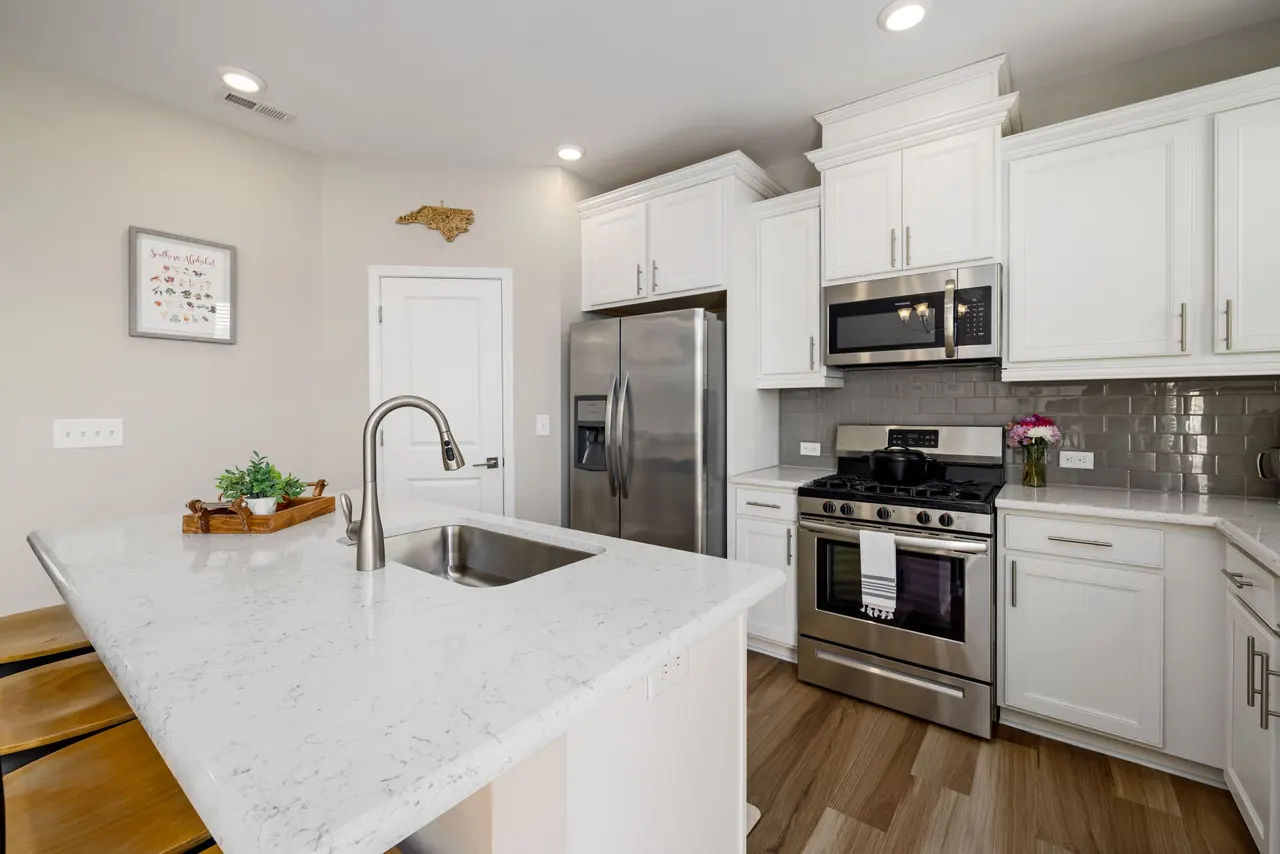
When your kitchen sink backs up or the main line gurgles, you need Drain Cleaning Services lawrenceville GA that show up ready to work. We handle drain unclogging in lawrenceville for homeowners in Gwinnett County, from Downtown Lawrenceville to Flowers Crossing at the Mill. We bring the augers, cameras, and jetters to clear the blockage and confirm the line is flowing before we leave.
Useful updates and clear arrival timing.
Review the approach and price before deciding.
Equipped vehicles and respectful cleanup.
Neighbors serving neighbors with follow-through.
Every drain call includes the diagnostic work and the clearing. If we find something beyond a clog, like a cracked pipe or a failed fitting, we show you the camera footage and quote the repair separately so you can decide.
A pipe inspection camera goes into the line on every main line call and most branch line calls. You see the footage on the monitor, which means you are looking at the actual blockage, not a guess about what is down there.
We clear the clog with the right tool for the material: a drain snake or plumbing auger for soft blockages, hydro jetting for grease clog and pipe scale buildup. Root intrusion gets a cutter head first, then a jetting pass.
We pull the P-trap, inspect the sink strainer and garbage disposal flange, and check for leaks at the connections. A lot of repeat clogs start with a partially blocked trap that never got cleaned out properly.
After clearing, we fill the sink and run the disposal, then watch the line drain. If it empties fast and the camera shows clean pipe, the job is done. If not, we keep working until it does.
Bucket and rags, drop cloth, boot covers. We wipe down the cabinet, reassemble the P-trap with new plumber's tape and pipe sealant where needed, and leave the space the way we found it.
Share what is happening and receive a clear next step from the local team.
Drain Cleaning Services lawrenceville GA is a plumbing service that removes grease, food particles, scale, and root intrusion from the pipes carrying wastewater out of your home. We start by finding the blockage, not guessing at it. A pipe inspection camera goes into the line, we read the footage, then we choose the right tool: a drain snake for soft clogs, a plumbing auger for deeper blockages, or a hydro jetting machine for grease and scale that coats the pipe walls. Every job ends with a flow test so you know the drain is clear.
Most calls we run in lawrenceville come from kitchens and main lines. Cooking grease cools inside PVC pipes and hardens into a clog that a sink plunger will not move. Tree roots find the joints in older clay and cast iron laterals, especially after a wet Georgia spring. If your kitchen sink drains slow or your dishwasher backs up into the sink, that is usually a food particle clog or a garbage disposal jam sitting in the P-trap. We clear it, then show you what caused it so it does not come back next month.
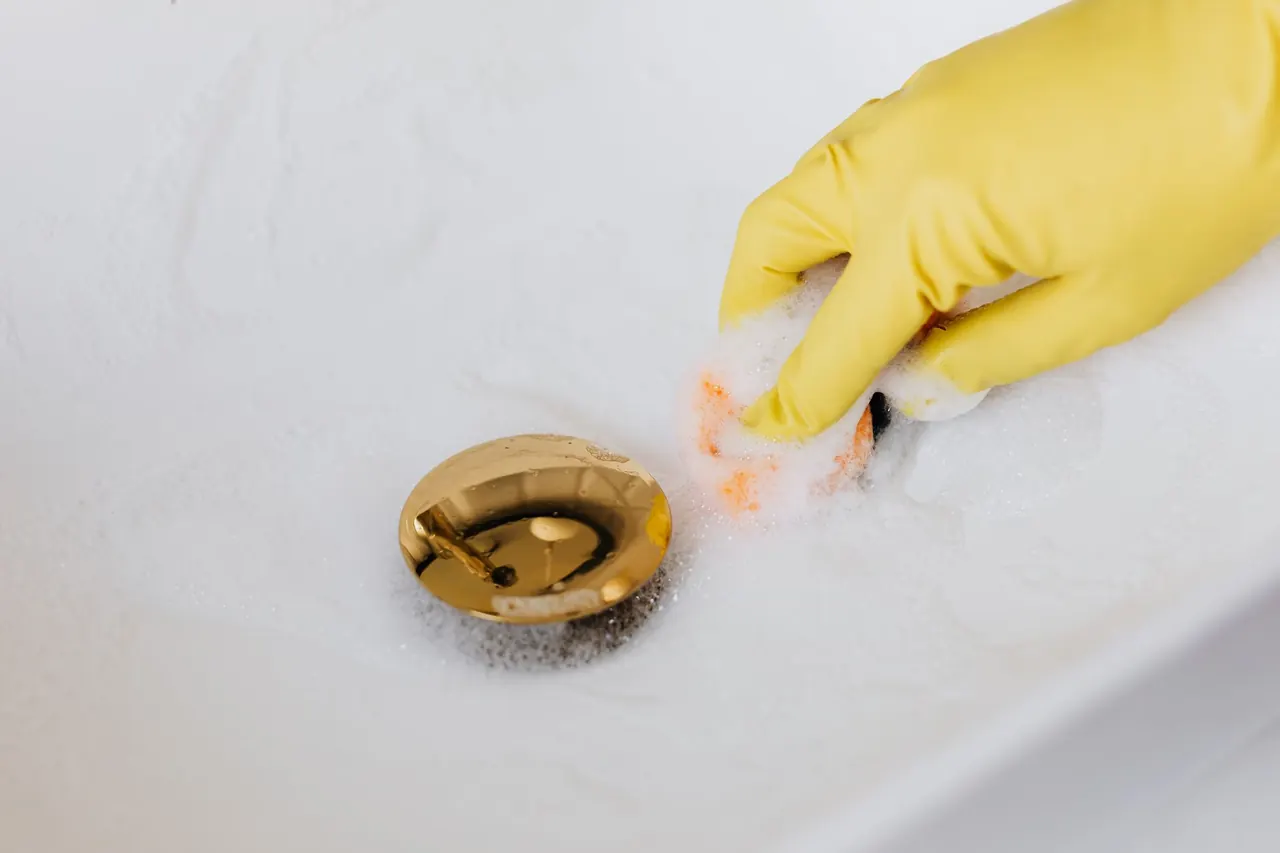
We ask which fixture is backing up, whether it is one sink or every drain in the house, and whether you have a septic system or city sewer. That tells us whether you have a branch line clog or a main sewer line clog before we roll a truck. Takes about three minutes.
We pull the P-trap, check the sink strainer and garbage disposal flange, and look for standing water. Then the pipe inspection camera goes down the cleanout. You watch the screen with us. This step runs 15 to 25 minutes and tells us exactly what we are dealing with.
For a standard kitchen clog we run a drain snake or the RIDGID K-400 through the branch line. For grease or heavy scale we switch to hydro jetting. A main line with roots gets the cutter head first, then a jetting pass. Most residential clogs clear in 30 to 60 minutes.
We fill the sink and run the disposal, then watch the line drain. If it empties fast and the camera shows clean pipe, we are done. If we see pipe scale buildup or a cracked section, we show you the footage and talk through options before anything else happens.
Bucket and rags come out, the cabinet gets wiped down, and we put the P-trap back together with new plumber's tape and pipe sealant where needed. You get a plain-English summary of what we found and what to watch for. No mess left behind.
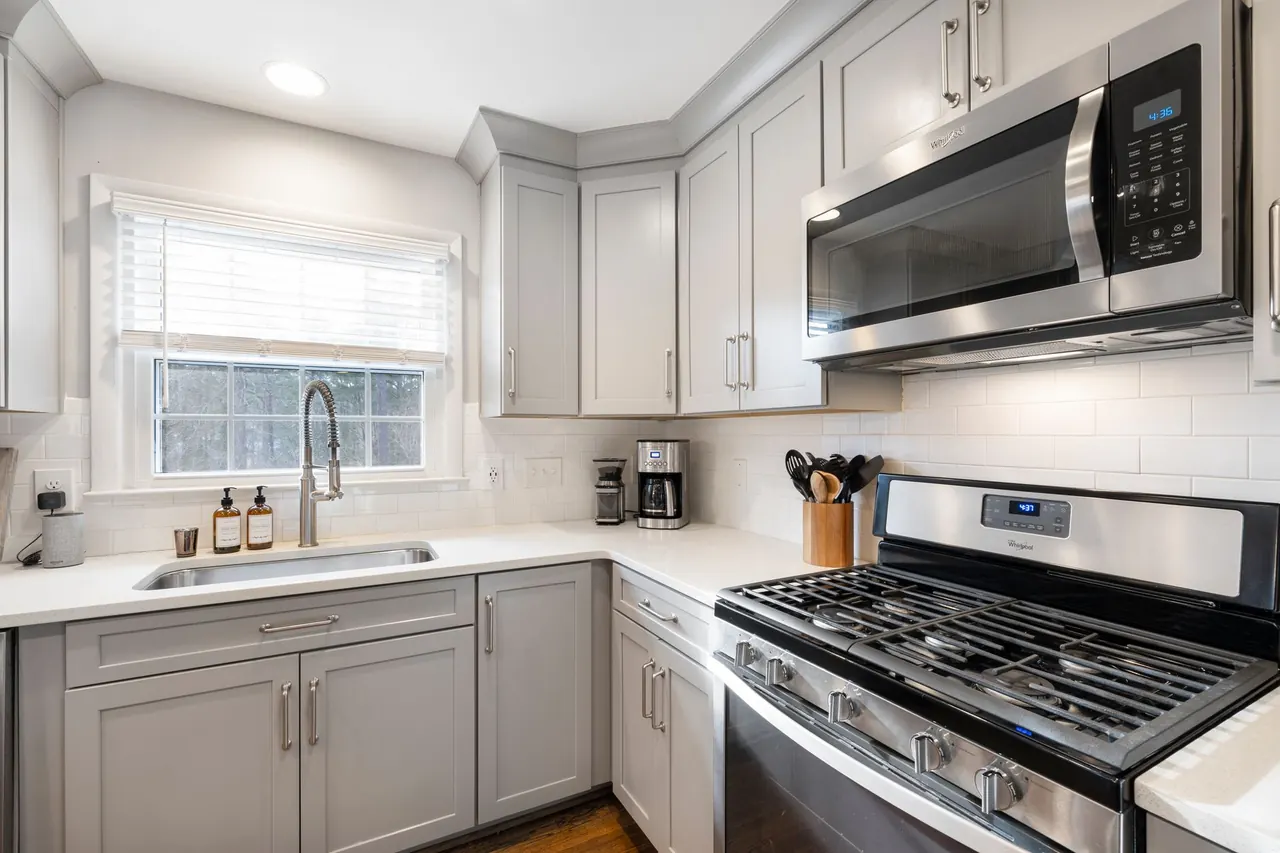
Goes into the cleanout or branch line to show the actual blockage. We use it on every main line call so the diagnosis is based on footage, not guesswork.
A drum machine with a drain snake cable that handles most kitchen and branch line clogs. It is the workhorse for food particle clog and soap scum blockages.
Pushes water at 3,000 to 4,000 PSI through a hydro jetting hose to scour grease clog and pipe scale buildup off the pipe walls. Used when a cable alone leaves residue behind.
First-line tools for a simple kitchen sink backup. We try the least invasive option first when the camera shows a soft clog close to the trap.
Frees a jammed disposal flywheel from the bottom of the unit. It turns a disposal replacement into a five-minute fix in many cases.
Standard on every call. We put them down before opening a P-trap so no water ends up in your cabinet.
We put the pipe inspection camera in before choosing a tool. That tells us whether the clog is grease, food particles, scale, or roots, and it tells us the pipe material and condition. It is the difference between clearing the right blockage and punching a hole through the wrong one.
For grease and scale, a drain snake opens a channel but leaves residue on the walls. We cable first to establish flow, then run hydro jetting to scour the pipe clean. That two-step approach is why our repeat-clog rate is low.
Root intrusion gets a cutter head on the cable to slice the roots, followed by a jetting pass to flush the debris. We show you the footage and talk through whether a yearly maintenance pass makes sense for your lateral.
No job is finished until we fill the fixture and watch it drain. If the line is still slow, we keep working. You should never have to wonder whether the drain is actually clear when we hand you the invoice.

We run priority dispatch for kitchen drain cleaning lawrenceville GA same day calls. A technician arrives, clears the branch line, and tests the disposal so you can get back to cooking. Sink draining normally within a couple of hours of your call, usually before the guests arrive.
That points to a main sewer line clog, often root intrusion at a joint. We camera the lateral, cut the roots, and jet the line clean, then check the floor drain for proper flow. Floor drain flowing freely and the sewer smell gone, with camera footage showing the cleared line.
That is usually a food particle clog or grease clog in the shared branch line. We clear the line and check the disposal flange and P-trap for the source. Dishwasher draining fully and the gurgle gone, with a flow test to confirm it.
We run a camera down the cleanout and document the condition of the line, including any root intrusion or pipe scale buildup. You get the footage and a plain-English summary. A clear picture of the lateral's condition before you commit, which can save thousands in surprise repairs.
Lawrenceville sits in Gwinnett County, and the housing stock here ranges from 1980s subdivisions to newer builds, which means we see two very different drain problems. Older homes often have cast iron or clay laterals where root intrusion and pipe scale buildup are common, especially after a wet Georgia spring. Newer homes tend to have PVC pipes, where the main issue is grease clog and food particle clog from kitchen use. Our crews work both, and we keep a RIDGID K-400 and hydro jetting hose on every truck so we are not making a second trip for equipment. If you need affordable drain cleaning services in lawrenceville, Georgia, the honest answer is that a kitchen clog costs far less than a main line job, and a camera inspection tells you which one you have before anyone quotes a price. We also pull a Gwinnett County plumbing permit when a repair goes beyond clearing a clog, so the work is documented and code-correct.
A mix of older homes and renovated properties near the square, many with original cast iron drain lines that benefit from camera inspection before any repair.
Established subdivision with mature trees, which means root intrusion in sewer laterals shows up regularly after wet springs.
Larger homes with long horizontal kitchen runs, where grease clog tends to build up further from the sink than homeowners expect.
Properties close to the water, where soil movement can shift lateral joints and create spots for debris to catch.
Clay holds moisture and shifts with the seasons, which stresses lateral joints and opens gaps where root intrusion starts. Camera inspection catches it early.
Roots seek the moisture in sewer laterals. Homes under large oaks and pines need a camera check every year or two, even without symptoms.
Minerals in hard water contribute to pipe scale buildup over time, narrowing the pipe and slowing drainage. Hydro jetting removes it where a cable cannot.
Grease stays liquid longer in summer and travels further down the line before cooling and hardening, which pushes clogs deeper into the branch line.
A homeowner in Downtown Lawrenceville had a sink that drained in minutes and then stopped completely. The dishwasher was backing up into the sink, and the disposal hummed without spinning. Standing water sat in both basins.
We freed the disposal flywheel with a garbage disposal wrench, cleared a food particle clog from the branch line with a drain snake, and jetted the pipe walls. The sink now drains in under 10 seconds, and the dishwasher empties fully.
Maintenance: Run hot water for 30 seconds after each disposal use and avoid pouring cooking oil down the drain. A kitchen drain cleaning visit every 6 to 9 months keeps the branch line clear.
A home in Flowers Crossing at the Mill had sewage backing into the laundry room drain. Every fixture in the house drained slow. The camera showed roots at a joint roughly 30 feet out in the lateral.
We cut the roots with a cutter head, jetted the line at 3,500 PSI, and re-cameraed to confirm clean pipe. All fixtures drain normally, and the homeowner has the before and after footage on file.
Maintenance: With mature trees over the lateral, an annual camera check and jetting pass keeps root intrusion from returning to the point of backup.
A homeowner in Edgewater had the same kitchen drain cleared twice in a year by another company. It kept slowing down within weeks. The camera showed heavy pipe scale buildup and grease residue coating the pipe walls.
We ran hydro jetting at 4,000 PSI to scour the walls back to bare pipe, then flow-tested with a full sink. The drain has held steady since, and the homeowner no longer schedules repeat cable visits.
Maintenance: Wipe grease from pans before washing and run a jetting maintenance pass once a year. That keeps scale from rebuilding to the point of blockage.
Most drain calls fall into a handful of categories. Knowing which one you have tells you how long the job will take and what it will cost.
Standing water in the sink and a dishwasher that will not drain. Left alone, the clog hardens and the backup moves toward the main line. We pull the P-trap, clear the branch line with a drain snake, and check the disposal flange. If grease is the culprit, a hydro jetting pass scours the pipe walls so it does not return in a month.
The disposal hums but does not spin, and water sits in the sink. Running it longer can burn out the motor and turn a simple fix into a replacement. We cut power, use a garbage disposal wrench to free the flywheel, and clear whatever jammed it. Then we test the drain and confirm the disposal spins freely before we leave.
Every drain in the house backs up at once, and sewage can rise into a shower or tub. This is the call you do not want to wait on. We camera the lateral, identify root intrusion or a collapsed section, cut the roots, and jet the line. You see the before and after footage, and we tell you if a follow-up schedule makes sense.
You clear it, it comes back in six weeks. That pattern usually means pipe scale buildup or a bellied section holding debris. A camera inspection shows what a cable cannot. If the pipe is scaled, hydro jetting restores the inner diameter. If it is bellied or cracked, we show you the footage and quote the repair.
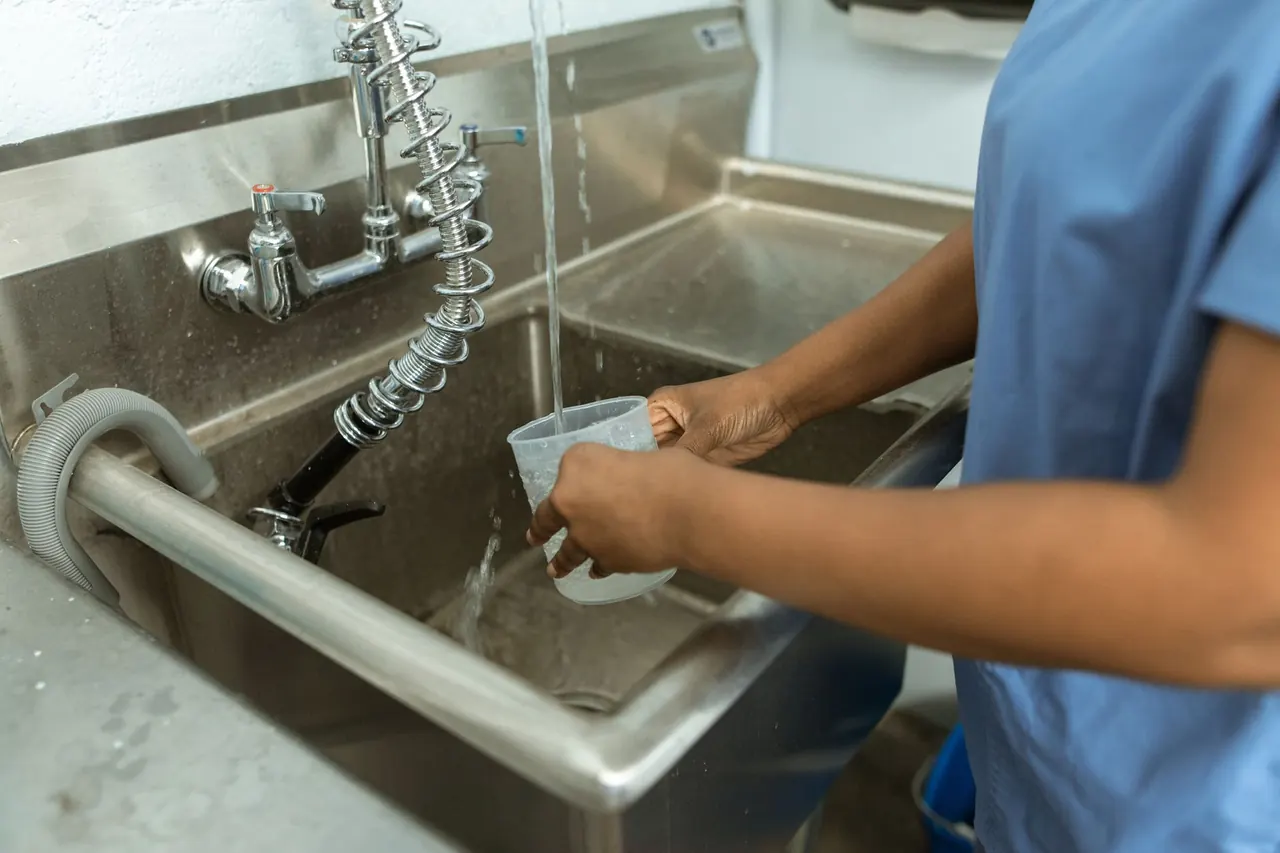
Our technicians work on kitchen and main line drains every week in Gwinnett County. We hold a Georgia plumbing license and pull a Gwinnett County plumbing permit when a job requires one. We follow OSHA safety compliance on every call and keep current with IAPMO certification standards for drain work. That means we know the difference between a clog we can cable out and a line that needs jetting or a camera-guided root cut, and we carry the tools for both on the same truck.
Most residential drain jobs in lawrenceville run $180 to $450, with main sewer line work often landing between $350 and $850. A simple kitchen sink clog sits at the low end because access is easy and the tooling is standard. Main lines with root intrusion or heavy grease take longer and use more equipment. You get the price before we start.
Professional drain cleaning lawrenceville GA includes a camera inspection, clearing the blockage with a drain snake, plumbing auger, or hydro jetting machine, a flow test, and cleanup. We pull the P-trap, check the sink strainer and disposal flange, and show you the camera footage. If we find pipe scale buildup or a damaged section, we tell you what it means before recommending anything further.
For a normal household, once every 12 to 18 months keeps kitchen and main lines ahead of grease and scale. Homes with mature trees near the lateral should schedule a camera check every year, since root intrusion grows back. If you cook with a lot of oil, a kitchen drain cleaning lawrenceville GA visit every 6 to 9 months is smarter than waiting for a backup.
Yes. Call before noon and we can usually be on site the same afternoon for kitchen drain cleaning lawrenceville GA same day service. We keep drain snake cables, a RIDGID K-400, and hydro jetting hose stocked on every truck, so most clogs clear in one visit. Main line emergencies get priority dispatch, including overnight.
Not seeing your question? Our local team can help you understand urgency, scheduling and what to expect.
Ask the local team
Sewage rising in a shower or a main line backing into the laundry room needs immediate attention. We run 24/7 dispatch for emergency drain unclogging lawrenceville GA near me calls and prioritize homes with active water intrusion.
View service
A drain snake cable through the branch line handles soft clogs from food particles and soap scum. We use a RIDGID K-400 for longer runs and follow with a flow test so you know the line is genuinely clear, not just punched through.
View serviceGrease clog and pipe scale buildup coat the pipe walls, and a cable leaves that residue behind. Hydro jetting at 3,000 to 4,000 PSI scours the walls clean, which is why we recommend it for kitchens that clog repeatedly.
View service
Call +14704028172 and you will talk to a real person, not a phone tree. We book same-day kitchen sink unclogging slots most mornings and answer emergency calls around the clock. If you would rather send details, email info@lawrencevillesinkpros.com with your address and what the sink is doing, and we will call you back with a window.