Focused arrival windows
Useful updates and clear arrival timing.
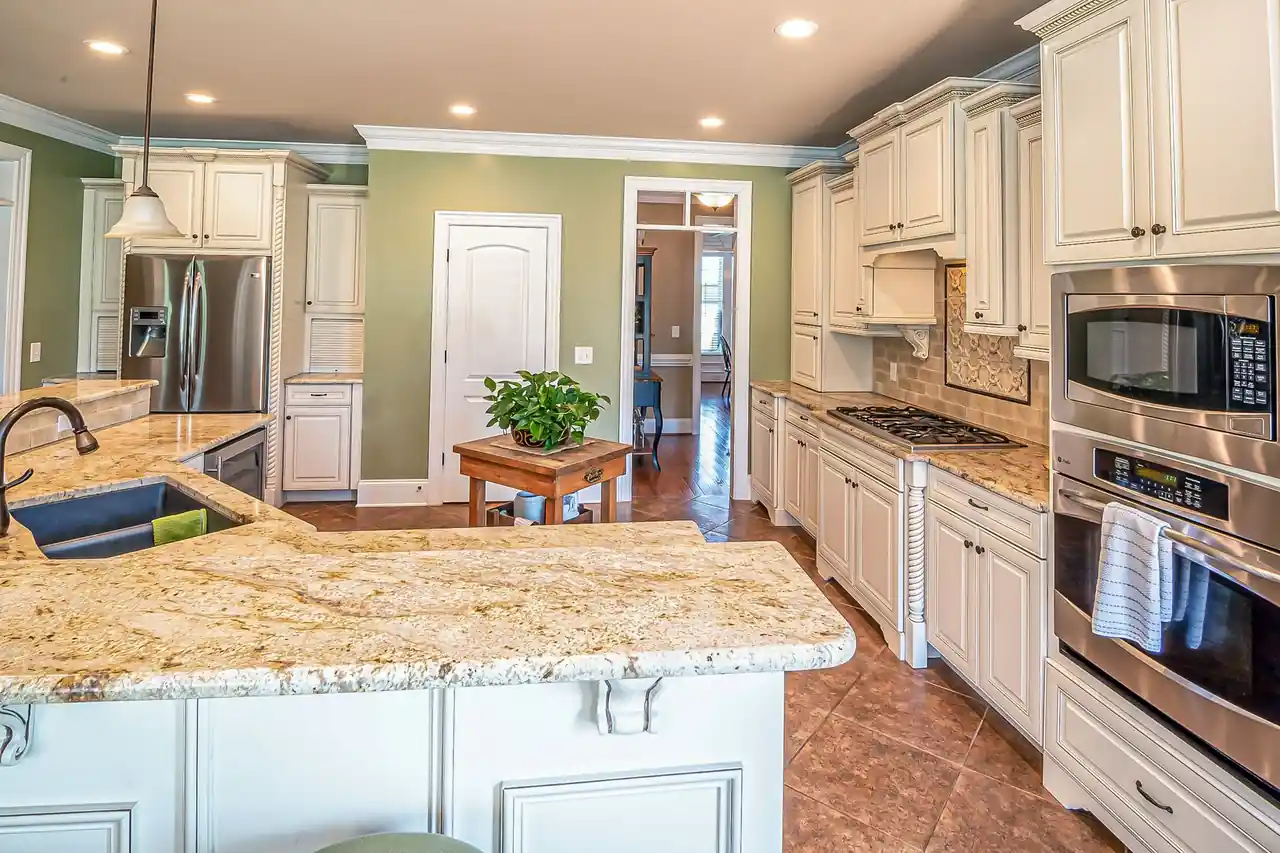
When your kitchen sink backs up at 2 a.m., emergency drain unclogging lawrenceville GA is the call that stops the mess. We handle grease clogs, food particle jams, and slow draining sinks across Gwinnett County with same day drain unclogging lawrenceville GA service. One call, and we roll a truck to your door.
Useful updates and clear arrival timing.
Review the approach and price before deciding.
Equipped vehicles and respectful cleanup.
Neighbors serving neighbors with follow-through.
Every emergency drain unclogging lawrenceville GA visit includes diagnosis, clearing, testing, and cleanup on the line you called about. If we find a second problem, like a failing disposal or a cracked P-trap, we quote it separately before doing anything. You are never surprised by the bill.
A pipe inspection camera goes into the drain line before any cable does. We locate the clog, measure the depth, and identify whether it is grease, food, scale, or root intrusion. This is included in every call.
We clear the blockage with the right tool for the job. Soft clogs get a drain snake or plumbing auger. Heavy grease and scale get hydro jetting at 3,000 to 4,000 PSI. Both are covered in the quoted price.
We pull the P-trap, check for cracks or buildup, clean it out, and reseal it with plumber's tape and pipe sealant. A worn trap is a common source of slow drains that snaking alone will not fix.
If the disposal is jammed, we free it with a garbage disposal wrench and test the spin. If the flange is leaking, we note it and quote a repair. The check itself is part of the visit.
We fill both basins, run the disposal, and watch the drain under load. Then we wipe down the cabinet, haul away debris, and give you a written warranty on the cleared line. You get a working drain and a clean kitchen.
Share what is happening and receive a clear next step from the local team.
Emergency drain unclogging lawrenceville GA is a plumbing service that clears blocked kitchen and utility drains fast, usually within hours, before standing water damages cabinets, floors, or appliances. We start by pulling the P-trap and running a pipe inspection camera to see whether the blockage sits in the sink branch line or deeper in the main sewer line. Grease clog, food particle clog, and pipe scale buildup are the three most common culprits we find. From there we choose the right tool: a drain snake, a plumbing auger, or a hydro jetting machine.
Most lawrenceville calls come from homes built between the 1980s and 2000s, where original PVC pipes have had decades of grease and soap scum layered on the walls. A slow draining sink is the warning shot; a kitchen sink backup at dinner time is the emergency. If you need 24/7 drain unclogging lawrenceville GA, we answer the phone, quote the job, and dispatch. Weekend emergency drain unclogging lawrenceville GA is the same price as a Tuesday morning call.
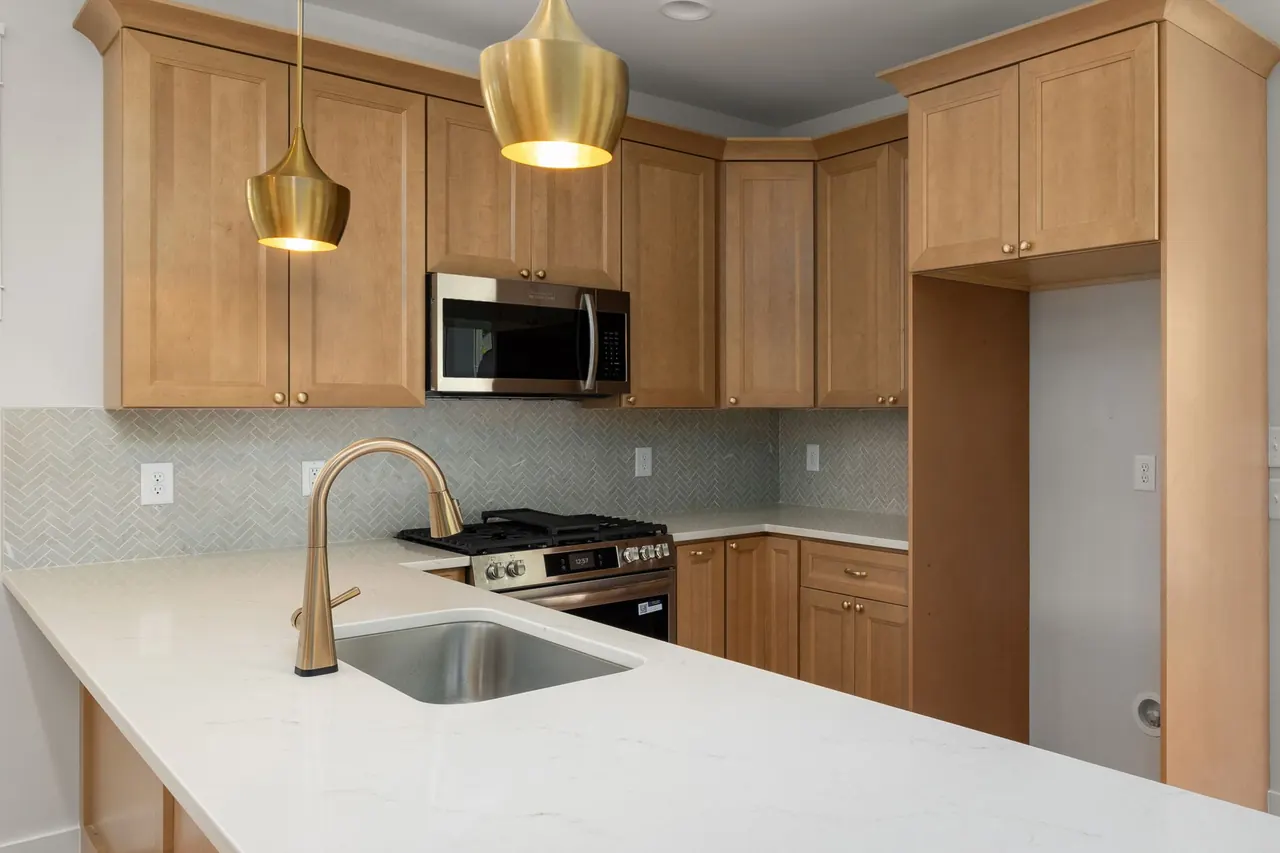
You describe the backup: is it one sink or every drain in the house? That tells us whether we are dealing with a branch line or a main sewer line clog. We give you a ballpark price range on the call and a firm arrival window. Two minutes, no hold music.
The technician walks in, puts down a drop cloth, and checks the P-trap and garbage disposal flange first. If the disposal is jammed, a garbage disposal wrench fixes it in under a minute. If water stands in both basins, we know the clog is past the trap.
A pipe inspection camera goes down the drain line to find the exact blockage point. We mark the depth on the cable. This is where we confirm grease clog versus root intrusion versus pipe scale buildup. Takes 10 to 15 minutes.
For soft clogs we run a drain snake or RIDGID K-400 auger through the branch line. For heavy grease or scale we switch to a hydro jetting machine at 3,000 to 4,000 PSI. Most kitchen sink clogs clear in 20 to 40 minutes. We test with hot water before we call it done.
We fill both basins, run the disposal, and watch the drain under load. If it holds, we show you what we pulled out and how to keep it from coming back. You get a written warranty on the cleared line before we leave.
Our go-to cable machine for kitchen branch lines. It feeds a steel cable through the P-trap and into the clog, breaking up food particles and soft grease without damaging PVC pipes.
A camera on a flexible reel goes into the drain line so we can see the clog, measure its depth, and check the pipe condition. No guessing, no unnecessary snaking.
High-pressure water at 3,000 to 4,000 PSI scours grease, soap scum, and pipe scale off the walls. We use it when snaking clears the clog but leaves the line rough and narrow.
The hex wrench that frees a jammed disposal flywheel from the bottom of the unit. A 30-second fix that saves you a replacement call.
First-line tools for shallow clogs right at the strainer. We try the simple fix before we pull out the cable machine.
The unglamorous essentials. We put a bucket under the P-trap before we open it and wipe the cabinet floor before we leave.
We never run a cable blind. The camera goes in first to confirm the clog type and location. That tells us whether to snake, jet, or cut roots, and it prevents damage to older PVC pipes that cannot take a heavy cable.
For grease clog, pipe scale buildup, and main sewer line clogs, water pressure does what a cable cannot. It scours the full pipe diameter, not just a hole through the blockage. We adjust pressure based on pipe material and age.
The P-trap catches most kitchen debris. We pull it, clean it, inspect for cracks, and reseal it with plumber's tape and pipe sealant. A worn trap is a common cause of slow drains that snaking misses.
We fill both basins, run the disposal, and watch the drain under real conditions. If it holds, we sign off. If it does not, we keep working. You never get a drain that backs up again the next morning.
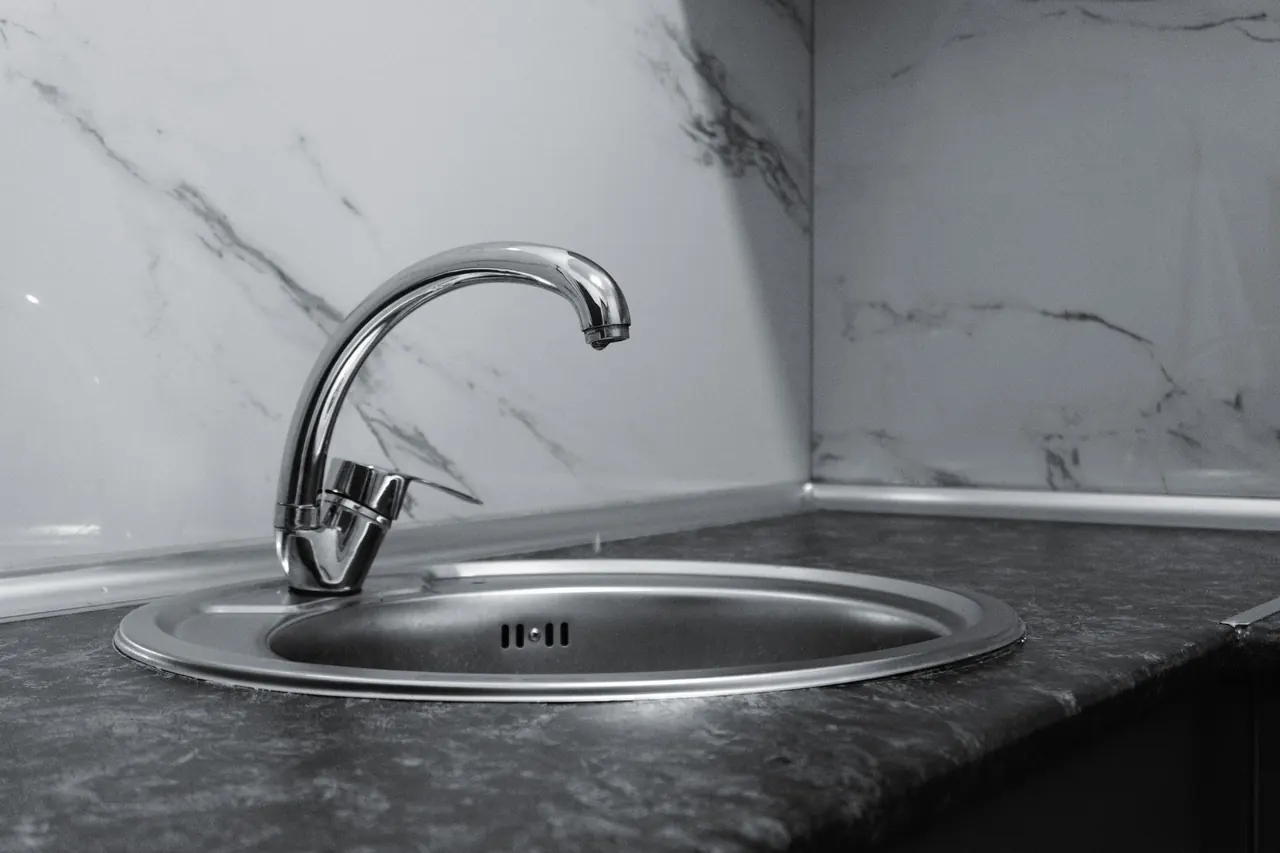
We treat holiday backups as priority calls. A technician arrives, pulls the P-trap, cameras the line, and clears the clog with a snake or jetting. We work around your guests and clean up before we leave. Sink drains normally within the hour, and you get back to hosting instead of mopping the floor.
Call us and we walk you through cutting power and pulling the plug while the truck is en route. On arrival, we free the flywheel, clear the food clog, and test the disposal under load. You leave for work on time with a working sink and a disposal that spins clean.
We run weekend emergency drain unclogging lawrenceville GA calls at the same rate as weekdays. A camera finds the blockage, and we clear it with the right tool. No overtime premium. By Sunday evening your sink is draining fast, and you did not pay a weekend surcharge.
That pattern points to a main sewer line clog, not a sink problem. We camera the main from the cleanout, locate the blockage, and jet the line. If roots are the cause, we cut them out. Both the sink and the washing machine drain freely, and we show you the camera footage of the cleared line.
Lawrenceville sits in Gwinnett County, and the housing stock tells the story. Homes in Downtown Lawrenceville and along the 30046 corridor often have original cast iron or early PVC drain lines that have seen 40 years of grease and soap scum. Newer builds out in Rivershyre and Springbrook use PVC pipes that handle jetting well but still clog from food particle buildup. Our climate matters too: hot Georgia summers push more grease into liquid form, so it coats pipe walls instead of sitting in the trap. Fall brings root intrusion season as tree roots hunt for moisture in older sewer lines. We pull Gwinnett County plumbing permits when a repair goes past simple clearing, and we follow Georgia plumbing license rules on every job. If you need overnight emergency drain unclogging lawrenceville GA, we run trucks through the I-85 corridor all night.
Older homes with cast iron drain lines and mature trees. Root intrusion and scale buildup are common here, so we camera the main line more often.
Newer PVC plumbing that handles hydro jetting well. Most calls here are grease clogs and disposal jams from everyday cooking.
Family homes with heavy kitchen use. We see a lot of food particle clogs and slow draining sinks from disposals that need a good cleaning.
Larger lots with long drain runs. When a clog sits far down the branch line, the camera and jetting hose earn their keep.
Grease that would sit in the trap during winter flows down the pipe in July and coats the walls. That is why summer grease clogs are deeper in the line and need jetting, not just snaking.
Root intrusion peaks in fall when roots hunt for water. We cut roots with a root cutter head, then camera the line to confirm the pipe is still intact.
Cast iron scales up over decades and narrows the drain. We adjust jetting pressure to avoid damaging the pipe and quote replacement if the walls are too far gone.
Any repair beyond simple clearing needs a permit. We pull it and schedule the inspection so your work is code-correct and documented.
A homeowner called at 7 p.m. on a Friday with both kitchen basins full of standing water. The sink had been draining slow for two weeks. We pulled the P-trap and found it packed with grey grease. The camera showed another 12 feet of buildup in the branch line.
We jetted the line at 3,500 PSI for 25 minutes, flushed it with hot water, and tested both basins under full load. The drain ran clear in under an hour. Total bill was $340, no weekend surcharge.
Maintenance: We told them to run hot water for 30 seconds after every meal and never pour cooking oil down the drain. That alone prevents most grease clogs.
A disposal hummed but would not spin, and the sink was half full of water. The homeowner had run it three times hoping it would clear. The motor was hot and the flywheel was locked on a chicken bone fragment.
We cut power, freed the flywheel with a garbage disposal wrench, and pulled the bone out of the chamber. Tested the spin, ran hot water, and the sink drained in 12 minutes. Bill was $180.
Maintenance: We recommended running cold water for 15 seconds before and after using the disposal, and never putting bones, coffee grounds, or fibrous vegetables down it.
Every drain in the house backed up when the washing machine ran. The kitchen sink was the first to flood. We cameraed the main line from the cleanout and found a root mass 22 feet out, blocking about 70 percent of the pipe.
We ran a root cutter head through the line, then jetted it at 4,000 PSI to flush the debris. Camera confirmed a clear pipe with no cracks. The job took two hours and cost $780.
Maintenance: We suggested a follow-up camera check in 12 months. Root intrusion comes back, and catching it early is cheaper than an emergency call.
Most lawrenceville drain calls fall into a handful of categories. Here are the ones we see most, what happens if you ignore them, and how we clear them.
Grease cools and hardens on the pipe walls, narrowing the line until nothing passes. Ignore it and you get a full backup that floods the cabinet and warps the floor. We run a camera to confirm the grease depth, then hydro jet the line at 3,500 PSI to scour the walls clean. Snaking alone pokes a hole through grease; jetting removes it. Most grease clogs clear in 30 to 45 minutes.
A jammed disposal hums without spinning, and the sink fills with water. Keep running it and you burn out the motor, turning a $0 fix into a $200 replacement. We cut power, free the flywheel with a garbage disposal wrench, and pull the obstruction out of the chamber. Then we test the spin and run hot water through. Takes under 15 minutes in most cases.
Scale narrows the pipe over years, so the sink drains slower and slower. It never fully blocks, which is why homeowners wait too long and then face a sudden backup. A pipe inspection camera shows us how much scale is on the walls. If it is heavy, we jet the line and flush it with hot water. If the PVC pipes are too far gone, we quote a section replacement.
When the main line blocks, every drain in the house backs up, and the lowest fixture floods first. That is usually a basement floor drain or a first-floor kitchen sink. We camera the main line from the cleanout, locate the blockage, and jet it with a hydro jetting hose rated for main line work. Root intrusion gets cut out with a root cutter head. This is a bigger job, quoted before we start.
Our technicians hold Georgia plumbing licenses and work under Gwinnett County plumbing permit rules every day. We carry IAPMO certification on the hydro jetting side and follow OSHA safety compliance on every job site. That matters when a cable is spinning at 400 RPM inside your cabinet. We have cleared thousands of kitchen sink clogs across lawrenceville, from 1960s cast iron in Downtown Lawrenceville to newer PVC in Rivershyre. We know which neighborhoods have root intrusion problems and which ones just need a good snake and hot water.
Yes. We staff the phone line 24 hours a day, seven days a week, including holidays. A live technician answers, triages the clog, and dispatches a truck. Most lawrenceville addresses see a technician within 90 minutes. If you are outside that window, we tell you on the call so you can plan.
Typical arrival is 60 to 90 minutes for addresses inside the I-85 corridor, and up to two hours for outer neighborhoods like Alcovy Lakes or Turtle Creek. We text you a tracking link when the truck dispatches. If you are standing in water, we prioritize your call.
Most kitchen sink clogs run $180 to $450 in 2026. That covers diagnosis, snaking, and testing. If the clog is in the main sewer line or needs hydro jetting, expect $350 to $850. We quote the price before we start, and the after-hours rate matches the weekday rate.
Stop running water in that sink immediately. Pull the disposal plug if it is safe to reach, and put a bucket under the P-trap. Do not pour chemical drain cleaner down the line; it can damage PVC pipes and makes our job harder. If water is rising, shut off the supply valve under the sink.
Not seeing your question? Our local team can help you understand urgency, scheduling and what to expect.
Ask the local team
Scheduled maintenance for homeowners who have had two or more clogs in a year. We snake and jet the branch lines on a set schedule so grease never gets a chance to harden into a full blockage.
View service
The go-to fix for food particle clogs and soft grease blockages in the P-trap and branch line. We run a RIDGID K-400 cable through the line, then flush and test with hot water.
View service
High-pressure water at 3,000 to 4,000 PSI scours grease, soap scum, and pipe scale off the pipe walls. It is the right call when snaking clears the clog but the drain still runs slow a week later.
View service
Call +14704028172 and you will talk to a real person, not a phone tree. We book same-day kitchen sink unclogging slots most mornings and answer emergency calls around the clock. If you would rather send details, email info@lawrencevillesinkpros.com with your address and what the sink is doing, and we will call you back with a window.