Focused arrival windows
Useful updates and clear arrival timing.
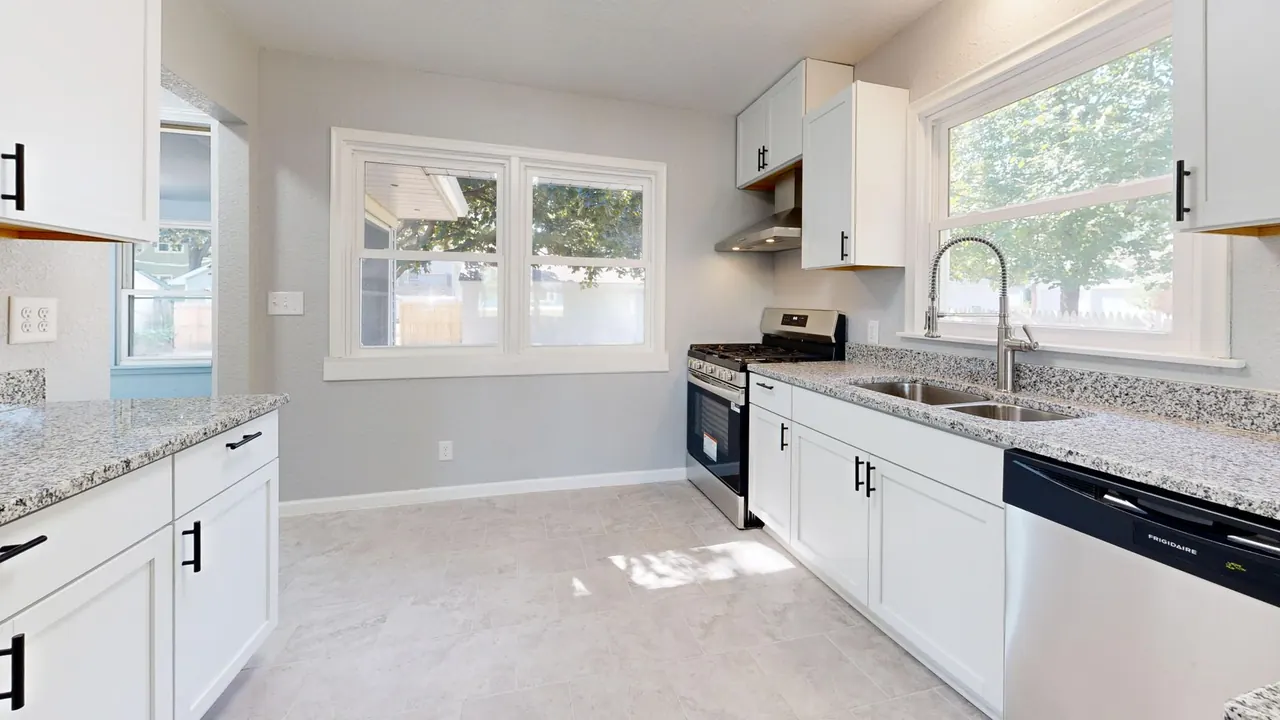
Hydro jetting for kitchen sinks lawrenceville GA is the fastest way to clear grease, food particles, and years of buildup from your kitchen drain line. If your sink drains slow, backs up after dishes, or smells like a garbage disposal gone bad, we can help. Our high pressure drain cleaning in lawrenceville scours the pipe walls clean instead of just poking a hole through the clog. We serve homeowners across Gwinnett County, GA, and we can usually get to you the same day you call.
Useful updates and clear arrival timing.
Review the approach and price before deciding.
Equipped vehicles and respectful cleanup.
Neighbors serving neighbors with follow-through.
Every hydro jetting job is different, but here is what is typically included when we service a kitchen sink in lawrenceville. If your job needs something extra, like a main line access or a new cleanout, we will let you know before we start and quote it separately.
We run a pipe inspection camera down the kitchen drain before and after jetting. You see the clog on the monitor and you see the clean pipe when we are done. This is how we confirm the clog is gone and the pipe is not damaged.
We use a hydro jetting machine with a hose rated for 4,000 PSI. We run it at 3,000 to 3,500 PSI, which is the right pressure for kitchen sink lines. The water scours grease, food particles, and scale off the pipe walls and flushes them away.
We remove and clean the P-trap under your sink. That is where a lot of the grease and food particles collect first. We check the trap for cracks or corrosion and replace the plumber's tape and pipe sealant when we reassemble it.
We test your garbage disposal to make sure it is not jammed or leaking. If it hums but does not drain, we can reset it with a garbage disposal wrench. If it is failing, we will let you know your options for repair or replacement.
After jetting, we run hot water, test the dishwasher, and make sure everything drains fast. We clean up the work area, haul away any debris, and leave your kitchen the way we found it. You get a written warranty on the work before we go.
Share what is happening and receive a clear next step from the local team.
Hydro jetting for kitchen sinks lawrenceville GA is a drain cleaning method that uses a high pressure water stream, typically 3,000 to 4,000 PSI, to scour grease, food particles, and scale off the inside of your kitchen drain line. A hydro jetting machine feeds a specialized hose through the drain, and the water jets point backward to pull the hose forward while blasting the pipe walls clean. Unlike a drain snake, which only punches a hole through the clog, hydro jetting restores the pipe to its full inside diameter. That is why it works so well on the grease clogs that build up in kitchen sinks.
In lawrenceville, kitchen sink clogs are usually a mix of cooking grease, coffee grounds, eggshells, and soap scum that hardens on the pipe walls over time. Older homes around Downtown Lawrenceville and the Brookwood area often have PVC pipes or even cast iron that has scaled up after years of use. If you live near Knollwood Lakes or Flowers Crossing at the Mill, you know how fast a slow draining sink turns into a full kitchen sink backup. We offer affordable hydro jetting in lawrenceville, Georgia, and we can usually tell you on the phone whether jetting is the right fix or if snaking will do the job.
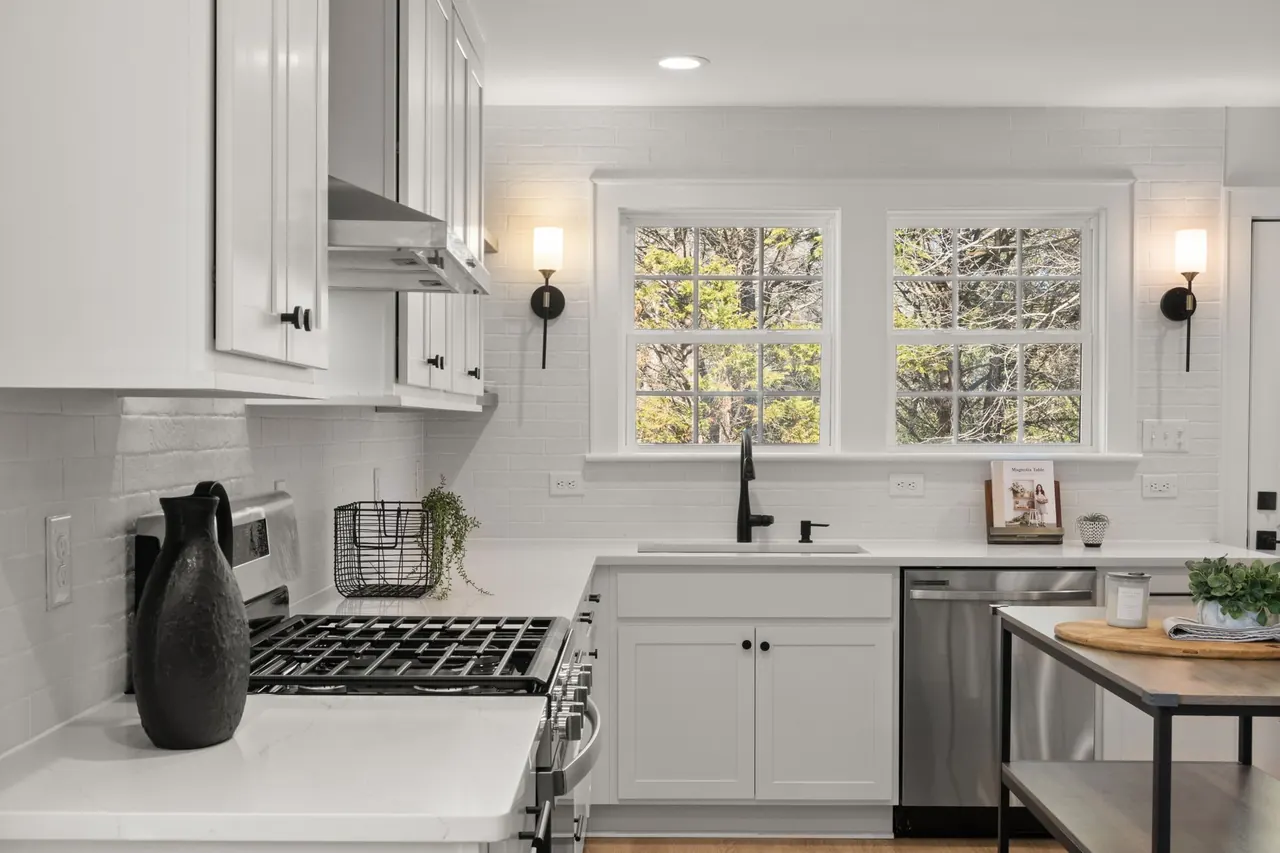
When you call, we ask a few questions: Is it just the kitchen sink or are other drains slow? Does it back up when the dishwasher runs? That tells us whether the clog is in the P-trap, the branch line, or the main sewer line. Most calls take five minutes and we give you a price range before we roll a truck.
Our technician arrives with a pipe inspection camera and a drain snake. We pull the P-trap, check the garbage disposal, and run the camera down the line. You see the footage on the monitor. If it is a simple food particle clog, we may snake it and save you money. If it is grease or scale, we recommend hydro jetting.
Before we start, we lay down bucket and rags and plumber's tape to protect your cabinet floor. We remove the sink strainer and feed the hydro jetting hose through the drain opening. The hose is rated for 4,000 PSI and has a rubber boot that keeps water from splashing back into the kitchen. Setup takes about ten minutes.
We run the jetter at 3,000 to 3,500 PSI, which is strong enough to strip grease and scale but safe for PVC pipes when used correctly. The backward-facing jets pull the hose forward while the water scours the pipe walls. Most kitchen sink lines take 20 to 40 minutes to clean. We flush with hot water and check the flow.
After jetting, we run the camera again to confirm the pipe is clean. You see the after footage. We reassemble the P-trap, test for leaks, and run the dishwasher and disposal to make sure everything drains fast. We leave the workspace as clean as we found it and give you a written warranty on the work.
Our primary tool for grease and scale removal. We run it at 3,000 to 3,500 PSI with a hose rated for 4,000 PSI. The backward-facing jets pull the hose through the line while scouring the pipe walls clean.
We use a camera on every job to see what is actually in the line. It shows us the clog, the pipe condition, and whether jetting is safe. You see the footage on the monitor before and after the work.
For simple food particle clogs, a drain snake is faster and cheaper than jetting. We carry a RIDGID K-400 on every truck. If snaking will fix it, we snake it and save you the cost of jetting.
Our jetter hoses are from Spartan Tool and General Pipe Cleaners. They are reinforced and rated for high pressure. We inspect them before every job to make sure there are no weak spots that could burst under pressure.
If your disposal is jammed, we use a garbage disposal wrench to free the flywheel. It is a simple fix that takes five minutes. We also check the disposal flange and sink strainer for leaks or corrosion while we are under the sink.
We lay down bucket and rags and plumber's tape before we start. Jetting can splash, and we do not want that going on your cabinet floor. We also use pipe sealant when we reassemble the P-trap to prevent leaks.
We never jet a line blind. We run a camera first to check for cracks, root intrusion, or thin pipe walls. If the pipe is too fragile for high pressure, we recommend snaking or pipe repair instead. This protects your plumbing and makes sure we are doing the right fix.
We match the water pressure to your pipe material and condition. PVC pipes in newer homes can handle 3,500 to 4,000 PSI. Older cast iron or pipes with known weak spots get lower pressure. The goal is to clean the pipe without damaging it.
Kitchen sink clogs are usually grease, not roots or debris. We use a jetting nozzle designed for grease removal. It directs water at the pipe walls at an angle that peels the grease off instead of just pushing it downstream. That is why the results last longer.
After jetting, we run the camera again and show you the clean pipe. We also run hot water and test the dishwasher to confirm the flow. If there is still buildup, we keep working until the line is clean. You see the proof before we pack up.
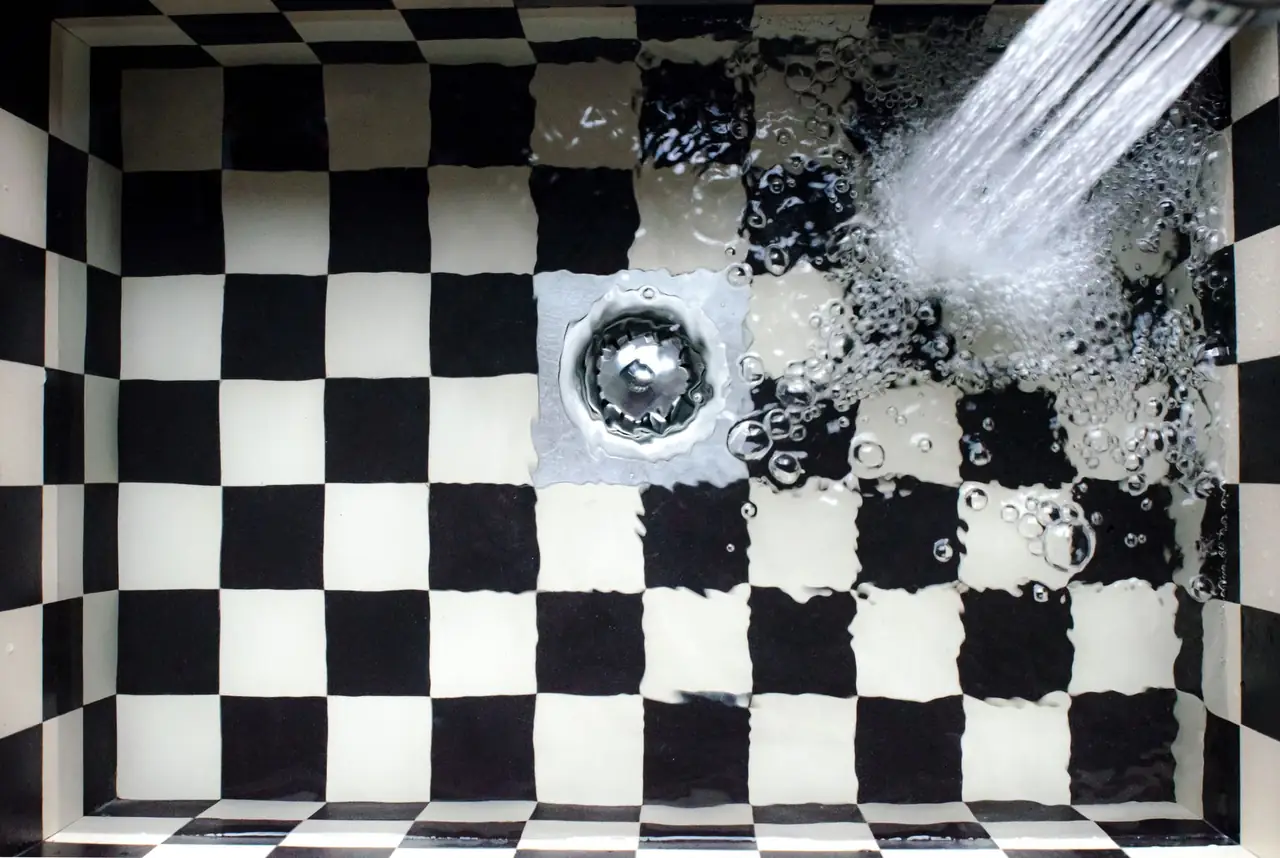
Call us before the holiday rush. We can usually fit you in within a day or two. We jet the line, test it with hot water, and make sure it is ready for heavy cooking and dishwashing. We also check the disposal and P-trap while we are there. Your sink drains fast through the holiday, and you avoid an emergency call on a day when plumbers are booked solid.
We run a camera to see what is in the line. Older homes around Downtown Lawrenceville often have grease buildup or scale in the pipes. If the pipe is in good condition, we hydro jet it and show you the after footage. If there is a bigger issue, we tell you now. You know exactly what is in your pipes and you start fresh with a clean kitchen drain. No surprises six months down the road.
Recurring clogs mean grease or scale is still on the pipe walls. We hydro jet the line to remove the buildup completely. We also check the main sewer line to make sure the clog is not deeper in the system. One visit, full diagnosis, proper fix. The clog stays gone for 12 to 24 months instead of three to six. You stop calling a plumber every few months and get back to normal.
We hydro jet the kitchen line and provide a camera video of the clean pipe. That documentation shows the drain is in good working order. If there is a bigger issue, we give you a written report you can share with the buyer or your real estate agent. The inspection issue is resolved, and you have proof the drain was professionally cleaned and inspected.
Lawrenceville has a mix of older homes and newer subdivisions, and that means a mix of pipe materials. Homes around Downtown Lawrenceville and the Brookwood area often have cast iron or older PVC drain lines that have scaled up over the years. Newer neighborhoods like Rivershyre and Springbrook have PVC systems that handle high pressure well. We adjust our jetting pressure based on what we find. The local water in Gwinnett County is moderately hard, which means mineral scale can build up on the inside of pipes over time. That scale catches grease and makes clogs worse. Hydro jetting for kitchen sinks in lawrenceville, Georgia, removes both the grease and the scale. We also deal with seasonal issues. In fall and winter, more cooking and baking means more grease goes down the drain. In summer, heavy use of the garbage disposal can lead to jams. If you are looking for hydro jetting for kitchen sinks lawrenceville GA near me, we are local and we know these patterns. We pull Gwinnett County plumbing permits when the job requires it, and we follow Georgia plumbing code on every installation and repair.
Many homes here are older with cast iron drain lines. We use lower jetting pressure and always run a camera first to check for corrosion or cracks before we clean.
This neighborhood has a mix of PVC and older pipes. We often see grease clogs in kitchen lines here because of heavy cooking and large families. Jetting clears them fast.
Homes here typically have PVC drain lines that handle 3,500 PSI well. We see a lot of slow kitchen drains caused by grease and food particles. One jetting visit usually fixes it.
Newer construction with PVC pipes. These lines are good candidates for high pressure jetting. We often find that builders did not flush the lines well after construction, leaving debris that catches grease.
Hard water leaves mineral scale on the inside of pipes. That scale gives grease something to stick to, which makes clogs build up faster. Hydro jetting removes the scale along with the grease.
Cast iron can corrode and thin out over time. We lower the jetting pressure and inspect carefully before cleaning. If the pipe is too far gone, we recommend repair or replacement instead of jetting.
More cooking means more grease, oil, and food scraps going down the drain. We see a spike in kitchen sink clogs from October through January. A pre-holiday jetting can prevent a backup during a family gathering.
Builders sometimes leave drywall dust, PVC shavings, and other debris in drain lines. That debris catches grease and creates clogs. Jetting flushes it out and restores full flow.
A homeowner in Downtown Lawrenceville had been dealing with a slow kitchen sink for six months. She had tried drain cleaner twice and snaked it once with a hand auger. The sink would drain for a few weeks and then slow down again. When we arrived, the sink was backing up after every load of dishes.
We ran a camera and found a thick grease clog about 15 feet down the branch line. We hydro jetted the line at 3,500 PSI for 25 minutes. The after-camera showed a clean pipe with full flow. The homeowner ran the dishwasher twice while we were there, and the sink drained perfectly both times.
Maintenance: We recommended pouring a pot of hot water down the drain once a week and avoiding pouring cooking grease down the sink. With those habits, the line should stay clear for 18 to 24 months.
A family in Knollwood Lakes had snaked their kitchen sink three times in 14 months. Each time, the clog came back within four to six months. They were frustrated and considering replacing the entire drain line. The sink was draining slowly again when they called us.
Our camera showed grease and food particles coating the pipe walls, not just a single clog. We hydro jetted the line at 3,500 PSI and removed all the buildup. The after-camera showed bare pipe walls. We also cleaned the P-trap and checked the garbage disposal. The sink has been draining fast for over a year now.
Maintenance: We suggested a once-a-month hot water flush and a drain strainer to catch food particles. They also stopped putting coffee grounds and eggshells down the disposal. No clogs since.
A homeowner in Flowers Crossing at the Mill called because her kitchen sink backed up every time she ran the dishwasher. The sink would fill with dirty water and take hours to drain. She had not used the sink for anything unusual, just normal cooking and cleaning.
We pulled the P-trap and found it packed with grease and food particles. The branch line also had buildup. We cleaned the trap, hydro jetted the branch line, and checked the dishwasher drain hose for kinks. After the service, she ran the dishwasher twice with no backup. The sink drained fast and the smell was gone.
Maintenance: We told her to run hot water in the sink for 30 seconds before starting the dishwasher. That helps flush the line and prevents grease from cooling and sticking to the pipes. She has not had a backup since.
Most kitchen sink problems in lawrenceville come down to grease, food particles, or a failing garbage disposal. Here are the most common issues we see and how we fix them.
A slow drain means grease and food particles are building up on the pipe walls. If you ignore it, the line will eventually close completely and you will have a full backup, often at the worst possible time. We run a camera to see how much buildup is in the line. If it is grease, we hydro jet the pipe at 3,500 PSI to strip it clean. Most slow drains are back to full flow in under an hour.
When the dishwasher drains and your sink backs up, the clog is usually in the branch line or the P-trap. The dishwasher pushes water into a pipe that is already partially blocked, and it has nowhere to go but up into your sink. We pull the P-trap and check the branch line with a camera. If the clog is food or grease, we clear it with a drain snake or hydro jetting. We also check the garbage disposal flange and dishwasher drain hose for kinks.
A smell usually means organic material is rotting in the P-trap or on the pipe walls. It is not just unpleasant. That buildup is also catching more food particles and making the clog worse. We clean the P-trap and jet the line to remove the buildup. We also check for a dry P-trap or a blocked vent, which can cause sewer gas to back up into the kitchen. Most smells are gone after one visit.
A jammed disposal will not drain, and if you keep running it, you can burn out the motor. That turns a simple fix into a replacement job. If it hums but does not spin, the flywheel is stuck. We cut the power, remove the obstruction, and reset the disposal with a garbage disposal wrench. If the motor is burned out, we can replace the unit. We also check the drain line for clogs that may have caused the jam.
If you have snaked your kitchen sink more than twice in a year, the problem is not the clog. It is the grease film on the pipe walls. Snaking pokes a hole through it, but the film stays and catches new debris within weeks. This is the classic case for hydro jetting for kitchen sinks lawrenceville GA. The high pressure water removes the film, not just the clog. After jetting, most customers go 12 to 24 months without another backup.
Most kitchen sink hydro jetting jobs in lawrenceville GA cost between $250 and $450, depending on how far the clog is from the sink and whether we need to pull the toilet or access a cleanout. That price includes the camera inspection, the jetting itself, and a final flow test. If the clog is in the main sewer line, the price may be higher. We give you a firm quote before we start.
Yes, when it is done correctly. We run the jetter at 3,000 to 3,500 PSI, which is strong enough to clear grease but safe for PVC and cast iron pipes in good condition. We always run a camera first to check for cracks, root intrusion, or thin walls. If your pipes are too fragile for jetting, we will tell you and recommend snaking or pipe repair instead. We never jet a line we have not inspected.
For a typical household, once every 12 to 24 months is enough to keep grease from building back up. If you cook with a lot of oil or have a large family, you may need it every 12 months. Signs you are due include slow draining, a gurgling sound after the dishwasher runs, or a recurring smell from the drain. We can set you up on a reminder schedule if you want.
Yes, grease is exactly what hydro jetting is best at removing. A drain snake pokes a hole through grease, but the sticky film stays on the pipe walls and catches food particles again within weeks. The high pressure water from a hydro jetting machine scours that film off and flushes it away. After jetting, your kitchen sink drains like new, and the clog stays gone much longer than with snaking alone.
Not seeing your question? Our local team can help you understand urgency, scheduling and what to expect.
Ask the local teamWe clean kitchen drains, bathroom drains, laundry lines, and main sewer lines across lawrenceville. Our drain cleaning services include snaking, hydro jetting, and camera inspection. If you are not sure which service you need, call us and we will help you figure it out over the phone.
View service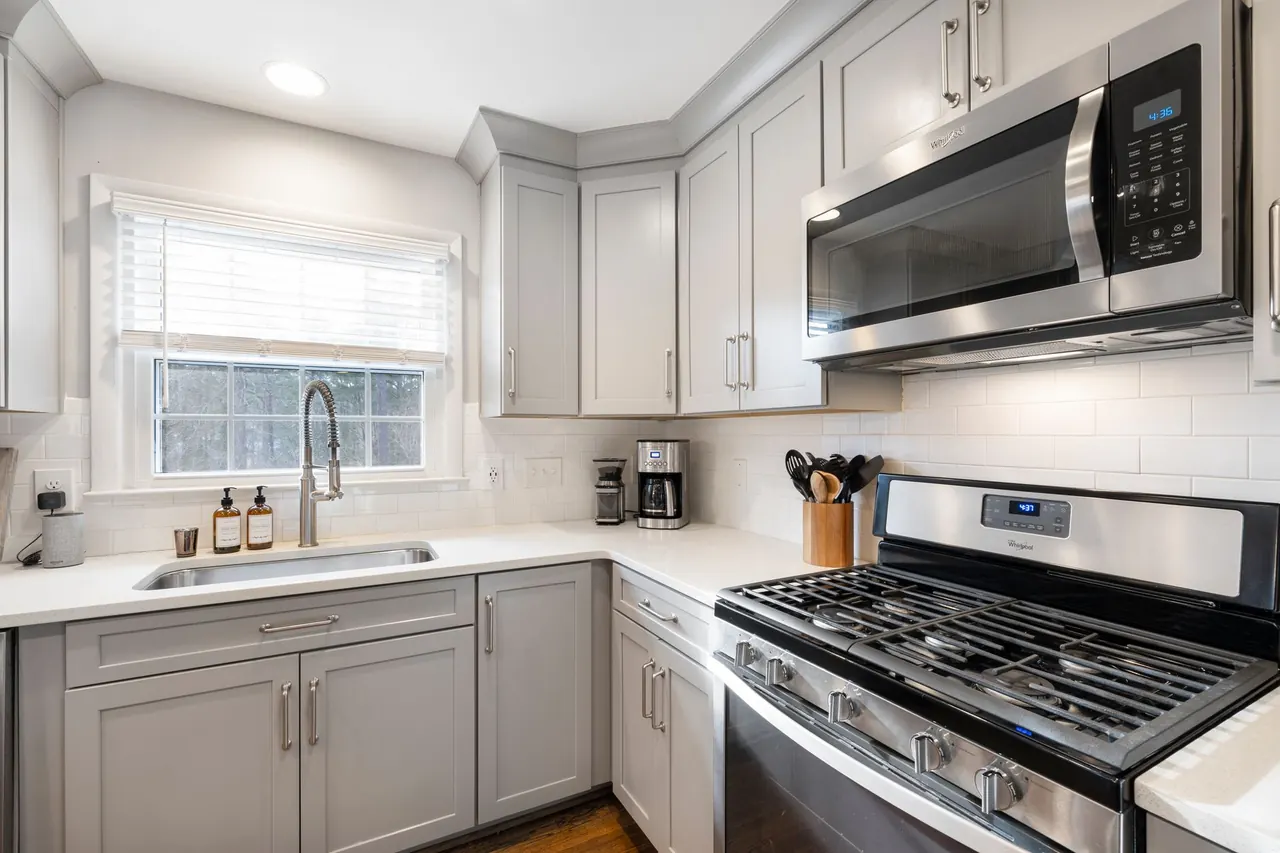
When your kitchen sink backs up at 10 p.m. or on a holiday, you need someone fast. We offer 24/7 emergency drain unclogging in lawrenceville. We can usually stop the backup, clear the immediate clog, and schedule a full hydro jetting service for the next business day if needed.
View service
Snaking is the right call for simple clogs like food particles or soap scum. We use a RIDGID K-400 or a Milwaukee drain snake to break through the blockage. It is faster and cheaper than jetting. If the clog comes back quickly, that is your sign to upgrade to hydro jetting.
View service
Call +14704028172 and you will talk to a real person, not a phone tree. We book same-day kitchen sink unclogging slots most mornings and answer emergency calls around the clock. If you would rather send details, email info@lawrencevillesinkpros.com with your address and what the sink is doing, and we will call you back with a window.