Focused arrival windows
Useful updates and clear arrival timing.
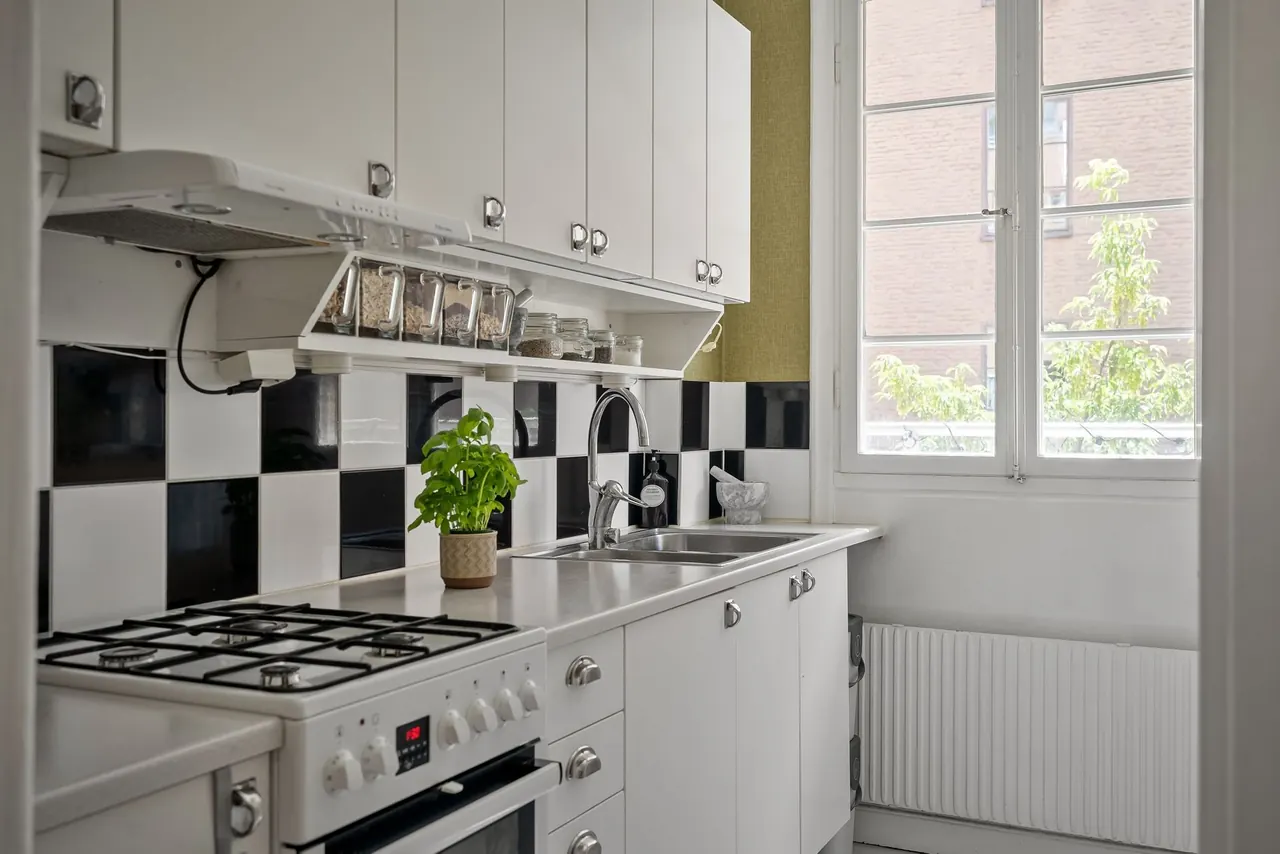
When your kitchen sink backs up, sink drain snaking lawrenceville GA is the fastest fix. We run a drain snake service lawrenceville GA homeowners trust for grease clogs, food particle blockages, and slow drains. Our technicians arrive with RIDGID K-400 machines, pipe inspection cameras, and drop cloths, so your kitchen stays clean. We serve Gwinnett County and the 30046 ZIP, usually within hours of your call.
Useful updates and clear arrival timing.
Review the approach and price before deciding.
Equipped vehicles and respectful cleanup.
Neighbors serving neighbors with follow-through.
Every snaking call covers the full kitchen branch line, not just the visible drain. We inspect, snake, test, and clean up. If we find a problem a snake cannot fix, we tell you before you pay for anything extra.
We run a pipe inspection camera down the branch line before any cable goes in. You see the grease clog, root intrusion, or pipe scale buildup on screen. This 10-minute step prevents damage and confirms whether snaking is the right method for your line.
We feed a drain snake cable through the sink drain or cleanout using a RIDGID K-400 or Spartan Tool auger. The cutter head breaks up the clog and the cable pulls debris back. We snake both basins and the dishwasher branch when needed.
After snaking, we reassemble the P-trap with new plumber's tape and pipe sealant. A worn gasket is a common cause of slow drains and cabinet leaks. We replace the sink strainer gasket if it is cracked, at no extra charge on standard calls.
We fill both basins and run the garbage disposal to confirm full flow. A properly cleared sink drains a full basin in under 30 seconds. If flow is still slow, we re-camera the line and check for a second clog or a collapsed pipe section.
We wipe the cabinet, rinse the sink, and haul away debris. Before we leave, we show you how to prevent another grease clog: no cooking oil down the drain, cold water after disposal use, and a weekly hot-water flush. You get a 30-day warranty on the cleared line.
Share what is happening and receive a clear next step from the local team.
Sink drain snaking lawrenceville GA is a mechanical drain cleaning method that feeds a flexible steel cable through your P-trap and into the branch line to break up and pull out the clog. Unlike a sink plunger, the snake reaches past the trap and grabs grease, food particles, and scale. We use a RIDGID K-400 or Spartan Tool auger with the right cutter head for your pipe size, then flush the line with hot water to confirm flow. Most kitchen sink clogs clear in 30 to 60 minutes.
Lawrenceville homes deal with grease clog and food particle clog problems year-round, especially in older neighborhoods where PVC pipes have scale buildup. If your sink drains slowly or the dishwasher backup floods the cabinet, a drain snake service lawrenceville GA call is cheaper than waiting for a full kitchen sink backup. We also handle main sewer line clog symptoms when the blockage sits past the trap. Call us at +14704028172 before the standing water damages your cabinet floor.
You call +14704028172 and describe the backup. We ask whether both basins are slow, if the dishwasher backs up, and whether you have a garbage disposal. That tells us if this is a sink branch clog or a main sewer line clog. We book a two-hour arrival window and text you the technician name.
The technician lays drop cloths, removes the P-trap, and runs a pipe inspection camera down the branch line. This shows grease clog, root intrusion, or pipe scale buildup. You see the screen and we explain what we found. Inspection takes 10 to 15 minutes and is included in the quote.
We feed the drain snake cable through the cleanout or sink drain, using a RIDGID K-400 for 1.5-inch lines and a Spartan Tool auger for longer runs. The cutter head breaks up the clog while the cable pulls debris back. Most kitchen sink snaking lawrenceville GA jobs take 30 to 45 minutes of machine time.
We reassemble the P-trap with new plumber's tape and pipe sealant, then fill both basins and run the disposal. A full basin should drain in under 30 seconds. If flow is still slow, we run the camera again to check for a second clog or a collapsed pipe section.
We wipe the cabinet, rinse the sink strainer, and haul away debris. Before leaving, we tell you how to avoid another grease clog: never pour cooking oil down the drain, run cold water 15 seconds after disposal use, and flush with hot water weekly. You get a written warranty on the cleared line.
Our primary machine for 1.5-inch to 3-inch kitchen branch lines. The K-400 has enough torque to pull a grease clog without damaging PVC pipes.
Used for longer runs and main sewer line clogs. The larger cutter head clears root intrusion and heavy pipe scale buildup that a small snake cannot touch.
We run the camera before every snaking job. It shows the clog type, pipe material, and any cracks or collapsed sections so we never snake blind.
When snaking clears the clog but scale remains, we follow with hydro jetting at 3,000 PSI. The hydro jetting hose scours the pipe walls back to bare material.
We check the disposal before snaking. A jammed flywheel mimics a drain clog, and freeing it with the wrench saves you the cost of an unnecessary drain service.
For light clogs near the strainer, we start with a sink plunger and drain cleaning brush. If that fails, we move to the drain snake cable.
We never run a cable into an unseen pipe. The camera shows whether the clog is grease, food particles, roots, or scale. That determines the cutter head, cable size, and whether hydro jetting is the better tool. It also protects fragile cast iron lines in older Lawrenceville homes.
We match the cutter head to the pipe material and clog type. A grease clog needs a different head than root intrusion. Using the right head clears the line faster and leaves the pipe wall intact. This is the core of our drain snaking service.
After snaking, we flush the line with hot water to carry away loosened debris. Then we fill both basins and time the drain. A full basin should empty in under 30 seconds. If not, we re-camera and check for a second clog.
When pipe scale buildup or heavy grease remains on the walls, we follow snaking with hydro jetting. The 3,000 PSI stream scours the pipe back to bare material. This is the standard fix for recurring kitchen clogs in busy households.
We run 24/7 emergency dispatch and can snake a kitchen line the same evening. A technician arrives with a RIDGID K-400, clears the grease clog, and tests both basins before leaving. You wake up to a fully flowing sink and cook without a backup. Most holiday-eve calls are cleared within two hours.
Old cast iron develops pipe scale buildup over decades. We camera the line, snake out the scale and debris, and tell you whether hydro jetting would restore the full pipe diameter. The sink drains like new, and you know the true condition of the pipe before you renovate the kitchen.
We coordinate directly with the tenant, camera the line, snake the clog, and send you photos and a flat-rate invoice. No need for you to be on site. The tenant has a working sink the same day, and you have documentation for your records.
We snake the shared branch line, check the garbage disposal flange and air gap, and test a full dishwasher cycle. If the disposal is jammed, we free it with a garbage disposal wrench. The dishwasher drains clean and the sink stays dry. Most calls are resolved in a single visit.
Lawrenceville's housing mix shapes how we snake drains. Downtown and older neighborhoods near the Gwinnett County courthouse still have original cast iron drain lines, which are brittle and need lower-torque snaking with a camera check first. Newer builds in Great River at Tribble Mill and Rivershyre use PVC pipes, which handle a standard RIDGID K-400 cable without issue. Our red clay soil shifts with seasonal rain, and that movement can crack older sewer laterals, causing root intrusion that shows up as a recurring kitchen sink backup. We pull a Gwinnett County plumbing permit when the job requires main line work, and we follow Georgia plumbing license standards on every repair. If you need affordable sink drain snaking in lawrenceville, Georgia on a weekend, we run 24/7 dispatch. Most kitchen lines clear in one visit, and we camera the line to the city main when the clog keeps returning.
Older homes with cast iron drain lines. We use lower-torque snaking and camera first to avoid cracking brittle pipe.
Newer PVC plumbing that handles standard snaking well. Most clogs here are grease and food particles from daily cooking.
Mix of rental and owner-occupied homes. We coordinate with tenants directly and send landlords photo documentation.
Mature landscaping means root intrusion is common in sewer laterals. We camera the main line when kitchen clogs repeat.
Soil movement cracks older sewer laterals and lets roots in. That shows up as a recurring kitchen sink backup, which needs camera inspection and possibly hydro jetting, not just snaking.
Cast iron corrodes and develops rough pipe scale buildup. We snake at lower torque and recommend hydro jetting to smooth the walls without cracking the pipe.
More grease and food particles enter the drain, causing faster grease clog formation. We recommend a weekly hot-water flush and annual snaking as preventive maintenance.
Kitchen sinks work harder from November through January. We see a spike in same-day snaking calls, so book early if your drain is already slow.
A homeowner's kitchen sink drained at a trickle for two weeks. Both basins filled with gray water after dishwashing, and the cabinet floor was damp. A store-bought chemical cleaner had been poured in twice with no lasting effect.
We cameraed the branch line, found a grease clog 12 feet past the P-trap, and snaked it with a RIDGID K-400. The sink now drains a full basin in 22 seconds. Total job time was 55 minutes, flat-rate priced.
Maintenance: Never pour cooking oil down the drain. Run cold water for 15 seconds after each disposal use, and flush the line with hot water once a week to keep grease from re-forming.
A rental property dishwasher backed dirty water into the kitchen sink every cycle. The tenant had stopped running the dishwasher entirely. The disposal hummed but would not spin, and standing water sat in both basins.
We freed the disposal with a garbage disposal wrench, then snaked the shared branch line to clear a food particle clog. A full dishwasher cycle now drains clean with no backup. The landlord received photos and a flat-rate invoice.
Maintenance: Scrape plates before loading the dishwasher and run the disposal with cold water for 15 seconds after each use. Avoid putting rice, pasta, or coffee grounds down the drain.
A homeowner had the kitchen sink snaked three times in two years. Each time the clog returned within months. The line drained slowly even after snaking, and a musty smell came from the cabinet.
Our camera showed pipe scale buildup and early root intrusion in the lateral. We snaked the line, then hydro jetted at 3,000 PSI to scour the walls. Flow has stayed full for over a year with no repeat clog.
Maintenance: Schedule a camera check every 18 months if you have mature trees near the sewer lateral. Hydro jet the line annually to keep scale and roots from returning.
Most kitchen sink calls fall into five categories. We diagnose each with a camera before we snake, so the fix matches the actual clog.
Standing water breeds bacteria and can overflow onto your cabinet floor, warping the wood and ruining stored items. We camera the branch line to find the grease clog or pipe scale buildup, then snake the line with the correct cutter head. Most slow drains clear in under an hour, and we flush with hot water to restore full flow.
Dirty water backs into both basins and can flood the cabinet, damaging the disposal and nearby outlets. A dishwasher backup usually means a food particle clog past the P-trap. We snake the shared branch line, check the disposal flange, and test both the dishwasher cycle and the sink drain before we leave.
The disposal hums but does not spin, and the sink will not drain. Running it longer can burn out the motor. We cut power, use a garbage disposal wrench to free the flywheel, and remove the obstruction. If the drain is also slow, we snake the branch line. Most jams clear in 15 minutes without a disposal replacement.
Repeated snaking costs more over time and signals pipe scale buildup or root intrusion in the main sewer line. We camera the full line to the city main. If scale or roots are the cause, we recommend hydro jetting for kitchen sinks to scour the pipe walls. That usually ends the repeat-clog cycle for years.
Our technicians hold Georgia plumbing licenses and carry IAPMO certification for drain cleaning work. We train on RIDGID, General Pipe Cleaners, and Spartan Tool equipment, and we follow OSHA safety compliance on every job. We have cleared thousands of kitchen lines across Gwinnett County, from 1950s cast iron in Downtown Lawrenceville to modern PVC in Great River at Tribble Mill. We know which neighborhoods have recurring root intrusion and which streets still have original pipe scale buildup. That local pattern knowledge saves you time and money.
Most kitchen sink snaking jobs in Lawrenceville run $149 to $299 in 2026. The price depends on whether the clog sits in the branch line or the main sewer line, and whether we need to pull a toilet or open a cleanout. We quote flat-rate before we start, so you know the number before the cable goes in. Emergency and after-hours calls may add a dispatch fee.
No, when a licensed technician uses the right cutter head and cable size. We inspect with a camera first, so we never run a steel cable into a collapsed or fragile pipe. Old cast iron in Downtown Lawrenceville can be brittle, so we switch to a lower-torque setting or recommend hydro jetting instead. We carry PVC-safe and cast-iron-safe heads on every van.
A standard kitchen sink snaking takes 45 to 90 minutes from arrival to cleanup. That includes a 10-minute camera inspection, 30 to 45 minutes of machine time, and a flow test. If the clog is in the main sewer line, expect two to three hours. We give you a time estimate before we start and call if anything changes.
Yes, for recurring clogs. Chemical cleaners dissolve part of the clog and leave the rest to re-form, and they corrode pipe scale and P-trap seals over time. Snaking physically removes grease, food particles, and debris, so the line stays clear longer. We only use chemicals as a last resort on a fully blocked line, and we flush them out afterward.
Not seeing your question? Our local team can help you understand urgency, scheduling and what to expect.
Ask the local team
Our full drain cleaning services cover every line in the house, not just the kitchen. If snaking fixes one sink but the bathroom tub drains slow, we camera the whole system and clear each branch. One visit, one flat rate, all drains flowing.
View service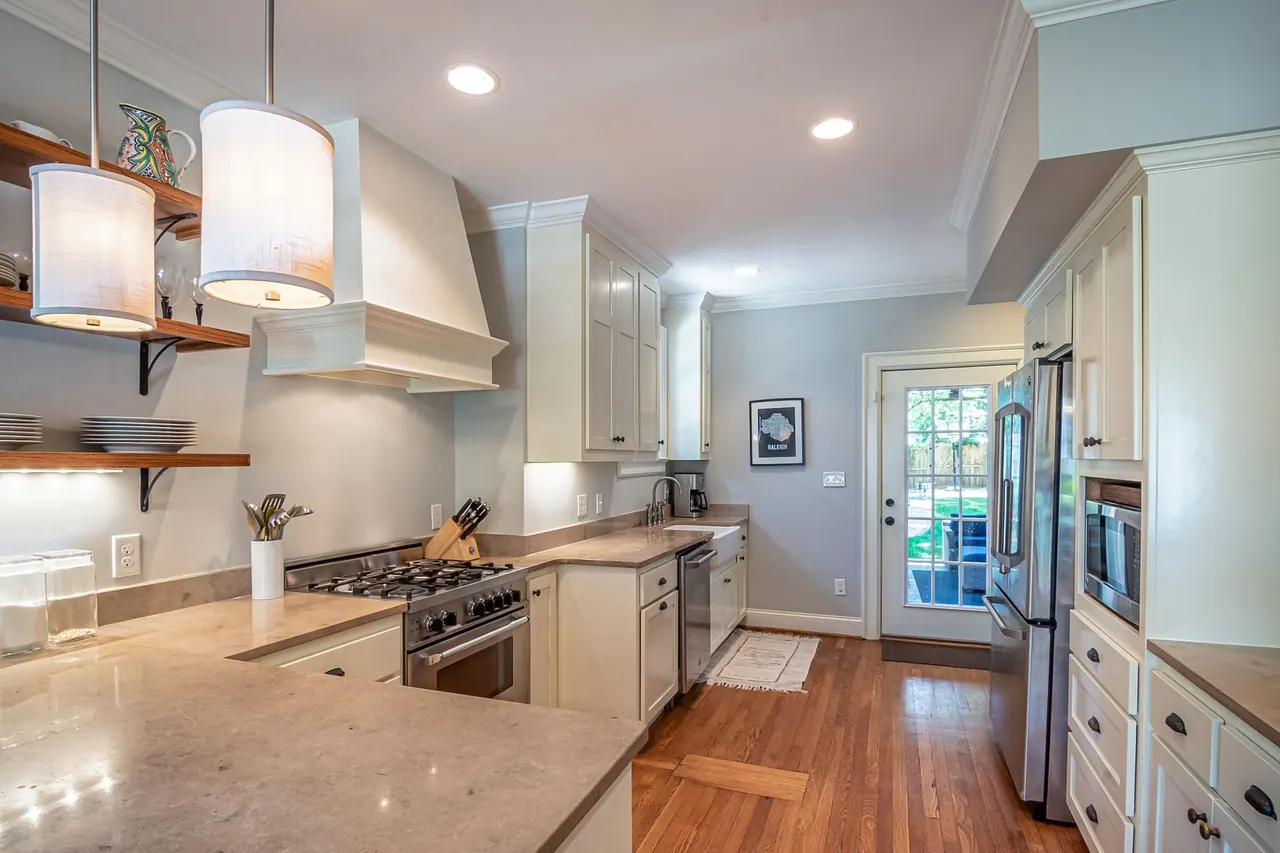
A kitchen sink backup at 11 p.m. is an emergency. Our emergency drain unclogging crew runs 24/7 across Lawrenceville and Gwinnett County. We arrive with a drain snake and hydro jetting machine, so we can clear the line no matter what caused it.
View service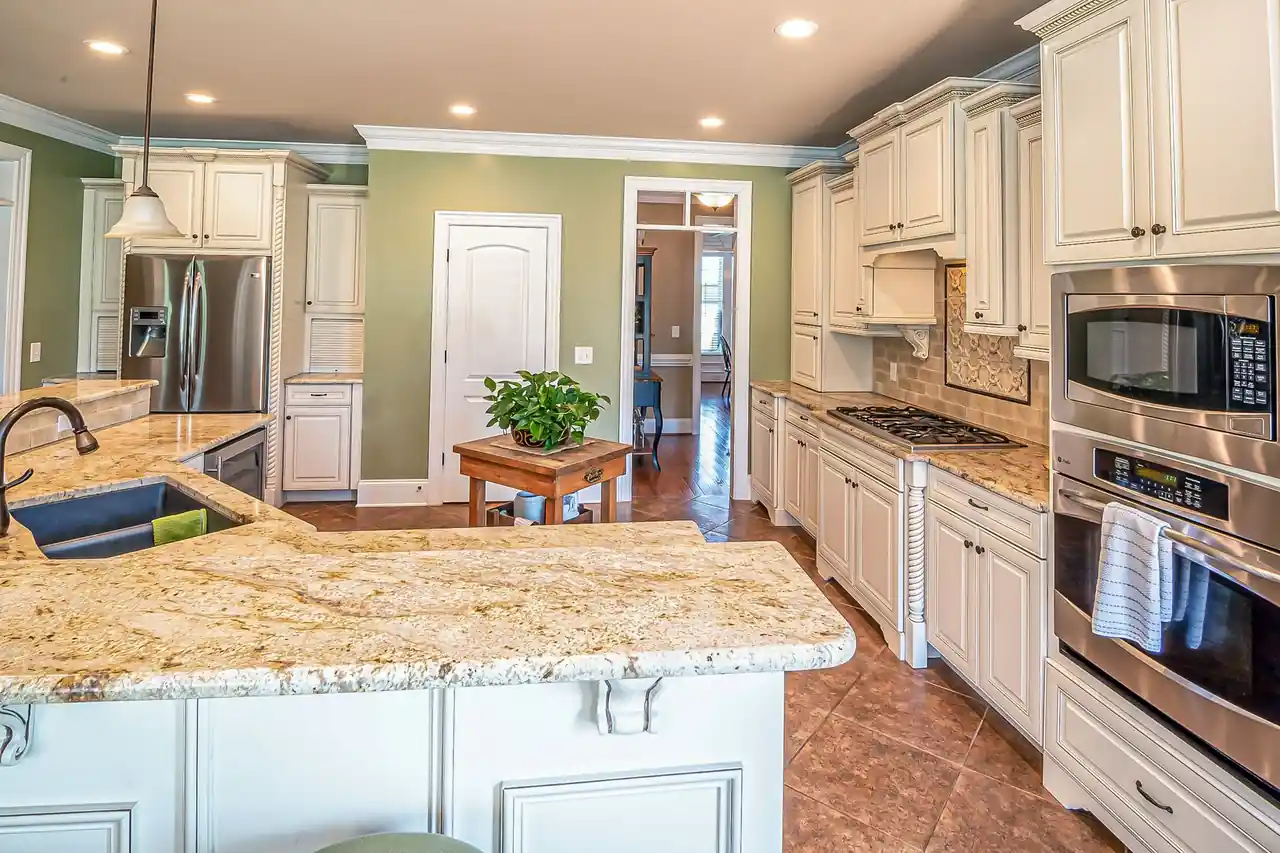
When pipe scale buildup or heavy grease clog returns every few months, hydro jetting for kitchen sinks scours the pipe walls clean. We use a hydro jetting hose at 3,000 PSI after snaking to remove the residue a cable leaves behind. It is the better long-term fix for restaurant and heavy-cooking homes.
View serviceCall +14704028172 and you will talk to a real person, not a phone tree. We book same-day kitchen sink unclogging slots most mornings and answer emergency calls around the clock. If you would rather send details, email info@lawrencevillesinkpros.com with your address and what the sink is doing, and we will call you back with a window.