Focused arrival windows
Useful updates and clear arrival timing.
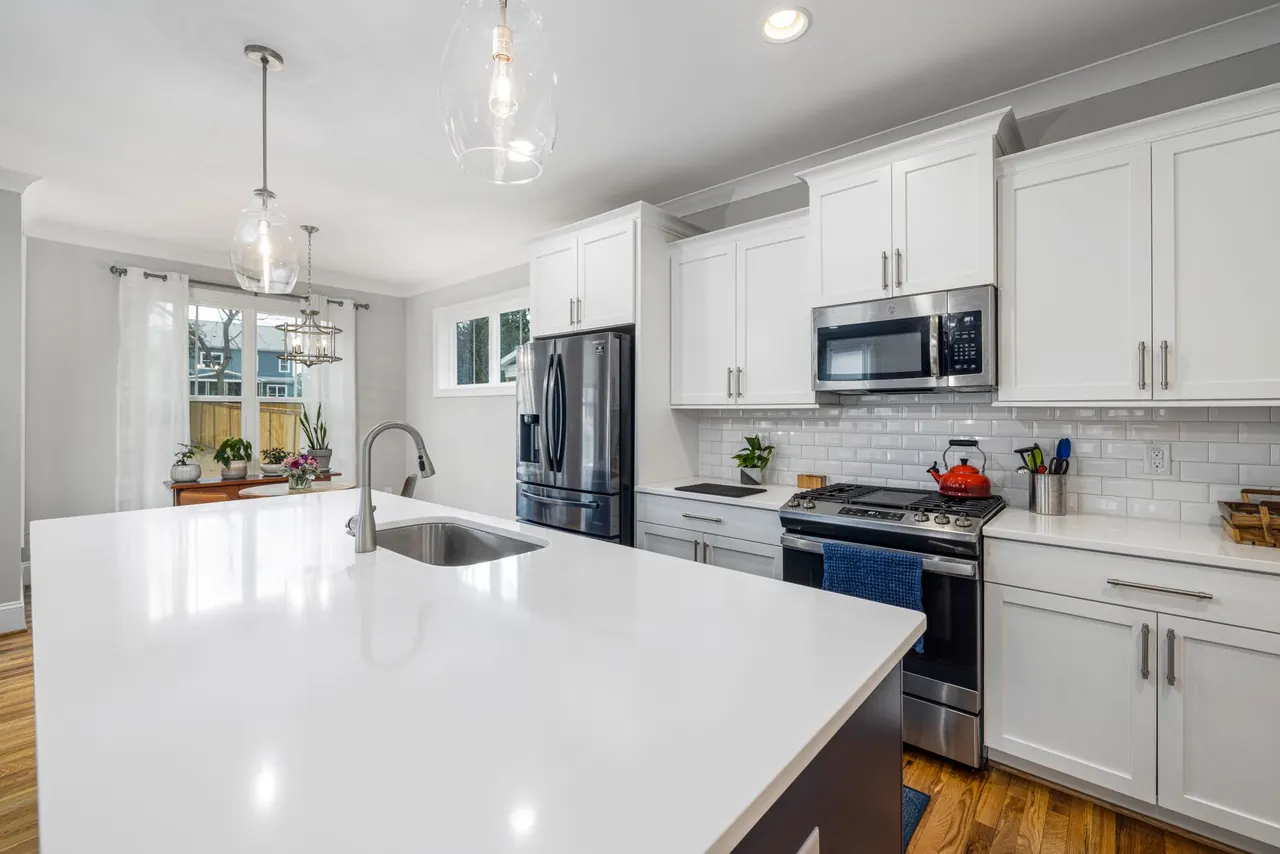
When your kitchen sink backs up, kitchen sink unclogging lawrenceville ga in Downtown Lawrenceville is what we do every week. We work the historic blocks around Lawrenceville Square, the Gwinnett County Courthouse area, and the North Clayton Street area, clearing grease clogs in older cast iron and PVC pipes. Our licensed techs carry a drain snake, hydro jetting machine, and pipe inspection camera on every truck, so we fix the clog and show you why it happened. Call and we roll.
Useful updates and clear arrival timing.
Review the approach and price before deciding.
Equipped vehicles and respectful cleanup.
Neighbors serving neighbors with follow-through.
Kitchen sink unclogging lawrenceville ga in Downtown Lawrenceville is a trade that demands respect for old pipes. The Historic Downtown blocks around Lawrenceville Square hold some of the oldest building stock in Gwinnett County, and that means cast iron drain lines, undersized P-traps, and decades of grease buildup from downtown eateries. We know these buildings because we work them. Our techs run a RIDGID K-400 drain snake through kitchen lines, follow with a pipe inspection camera, and hydro jet the line when scale or grease has narrowed the pipe. We serve the Gwinnett County Courthouse area, Old Town, and the North Clayton Street area, plus the ZIP codes 30046, 30045, and 30044. If you search for kitchen sink unclogging lawrenceville ga near Downtown Lawrenceville, you want a crew that knows the difference between a food particle clog and a main sewer line clog. We do. We show up, diagnose, and clear the line the same day.
Downtown Lawrenceville kitchen sink unclogging lawrenceville ga calls split into two groups: residential backups in the Old Town and North Clayton Street area, and commercial grease clogs in the restaurant district around Lawrenceville Square. Both need the same thing, a tech who can diagnose the line before running a cable. If you need same day drain cleaning in Downtown Lawrenceville, Georgia, we carry the tools to clear it in one visit.
Our drain cleaning services Downtown Lawrenceville GA cover kitchen lines, floor drains, and main sewer laterals. In the Gwinnett County Courthouse area, older cast iron lines collect pipe scale buildup that narrows flow over time. We hydro jet those lines to restore full diameter, then camera-verify the result. We handle both residential and commercial accounts on the same route.
View service →03Emergency drain unclogging in Downtown Lawrenceville, Georgia runs 24/7. When a downtown restaurant hits a kitchen sink backup during dinner service, we dispatch from our courthouse-corridor staging point. We carry a sink plunger, plumbing auger, and backup hydro jetting hose on every emergency truck. Most Downtown calls get a tech on site within 60 minutes.
View service →04Sink drain snaking is our first move on most kitchen clogs in the Historic Downtown blocks. We use a RIDGID K-400 with a drain snake cable sized for 1.5-inch kitchen lines. That handles food particle clogs and most grease clogs without damaging older PVC pipes or cast iron. If the cable hits a hard stop, we switch to camera inspection before going further.
View service →05Hydro jetting for kitchen sinks in Downtown Lawrenceville handles the grease and scale that snaking leaves behind. We run a hydro jetting hose at controlled pressure to scour the pipe wall clean. This is the right call for downtown eateries with recurring clogs and for Old Town homes with decades of buildup. We camera-verify before and after so you see the difference.
View service →06Kitchen sink installation in the Historic Downtown area means working around original cabinetry and older plumbing rough-ins. We set the sink strainer, garbage disposal flange, and P-trap to current Gwinnett County plumbing permit standards. If the existing drain line is undersized, we correct it during install. We handle both drop-in and undermount sinks in older downtown kitchens.
View service →07Kitchen sink repair in Downtown Lawrenceville covers garbage disposal jam, leaking P-trap joints, failed sink strainers, and slow draining sink complaints. We carry a garbage disposal wrench, pipe wrench, plumber's tape, and pipe sealant on every truck. If the repair turns into a drain issue, we diagnose it on the same visit. No second trip, no second call-out fee.
View service →08Sewer line cleaning in Downtown Lawrenceville addresses main sewer line clog and root intrusion in the older lines running under Lawrenceville Square. We camera-inspect first, then hydro jet or cable the line based on what we find. The Gwinnett County seat has strict discharge rules, so we follow code on every cleanout. Residential and commercial laterals both covered.
View service →Downtown Lawrenceville job sites come with real constraints. Parking near Lawrenceville Historic Square is tight, so we stage on side streets and walk the hydro jetting hose in. The historic building stock means we often work in basements and crawlspaces with original cast iron. Georgia plumbing license rules require us to pull a Gwinnett County plumbing permit for any work beyond clearing a stoppage, and we do. Summer heat pushes restaurant grease clogs to peak volume, and winter cold snaps can freeze exposed lines in older downtown crawlspaces. If you need 24/7 kitchen sink unclogging lawrenceville ga Downtown Lawrenceville GA, we answer the phone at 2 a.m. and dispatch from the courthouse corridor. Our techs carry a bucket and rags, drop cloths, and a pipe inspection camera on every call. We leave the kitchen cleaner than we found it.
Our trucks cannot always park at the curb, so we stage on side streets and carry equipment in. That adds a few minutes to setup but keeps us from blocking downtown traffic or restaurant deliveries during peak hours. We route Downtown calls with a two-tech crew so one tech can stay with the truck while the other starts the diagnostic. We bring compact hydro jetting hose reels and a hand-carry drain snake for walk-in access. Setup time stays under 10 minutes even on the busiest blocks.
Cast iron from the early 1900s develops pipe scale buildup that narrows the interior diameter. A cable can punch through a clog but leaves the scale behind, so the sink backs up again within weeks. We camera-inspect the line before and after every job. If we see scale, we hydro jet at controlled pressure to scour the pipe wall clean. That restores flow and buys years between clogs. We document the before-and-after footage for the property owner.
A kitchen sink backup at 7 p.m. on a Friday shuts down a restaurant line. Grease clogs in commercial kitchen lines cool and harden fast, so the window to clear them before service is short. We keep an emergency truck staged near the Gwinnett County Courthouse area during peak dining hours. When a downtown eatery calls, we roll with a hydro jetting machine and a RIDGID K-400. Most commercial grease clogs clear in under 90 minutes so the kitchen can reopen.
Any work beyond clearing a stoppage, such as replacing a P-trap or correcting a drain line, requires a permit in Gwinnett County. We pull the permit and schedule the inspection so the work is code-correct and the property owner is protected.
Georgia requires a state plumbing license for drain work beyond simple snaking. Our techs work under that license, which means the repair meets state code and the warranty holds. Unlicensed work can void homeowner insurance on water damage claims.
Downtown Lawrenceville has a specific set of drain problems that come from its age, its restaurant density, and its Gwinnett County code requirements. The historic building stock around the square means cast iron lines and original venting. The restaurant district means heavy grease volume. Together, they create recurring issues that a generic drain crew will not solve. Here is what we see most, and how we handle it.
Downtown eateries around Lawrenceville Square run high volumes of cooking grease through lines that were sized for lighter use. Grease cools and hardens on the pipe wall, narrowing the diameter over months. By the time the sink backs up, the buildup is thick. We hydro jet the line at controlled pressure to scour the grease off the pipe wall, not just punch a hole through it. Then we camera-verify full flow. For recurring accounts, we set a quarterly jetting schedule to stay ahead of the buildup.
The Historic Downtown blocks have cast iron drain lines that date back decades. Mineral scale and corrosion build up on the interior walls, narrowing the pipe. A cable can clear a clog but leaves the scale, so the sink backs up again within weeks. We camera-inspect first to confirm scale. If it is there, we hydro jet the line to restore the interior diameter. That is the only way to stop the repeat clog cycle. We document the before-and-after footage so you can see the difference.
Residential kitchens in Old Town and the North Clayton Street area that cook daily send coffee grounds, eggshells, and fibrous food scraps into the drain. These catch on rough pipe walls and form a clog base that grease then coats. Over time, the line narrows. We pull the P-trap first to clear the immediate blockage, then run a drain snake through the branch line. A camera check confirms the line is clear. We also check the sink strainer and replace it if it is worn, which prevents future debris from getting through.
In older Downtown buildings, the kitchen branch line ties into a main sewer lateral that may have root intrusion or decades of buildup. When the main line clogs, the kitchen sink is often the first place it shows. This is common in the blocks around the Gwinnett County Courthouse area. We camera the main line to find the exact blockage point. If it is roots, we cable and then apply a foaming root treatment. If it is buildup, we hydro jet the lateral. We also check the cleanout access so future service is faster.
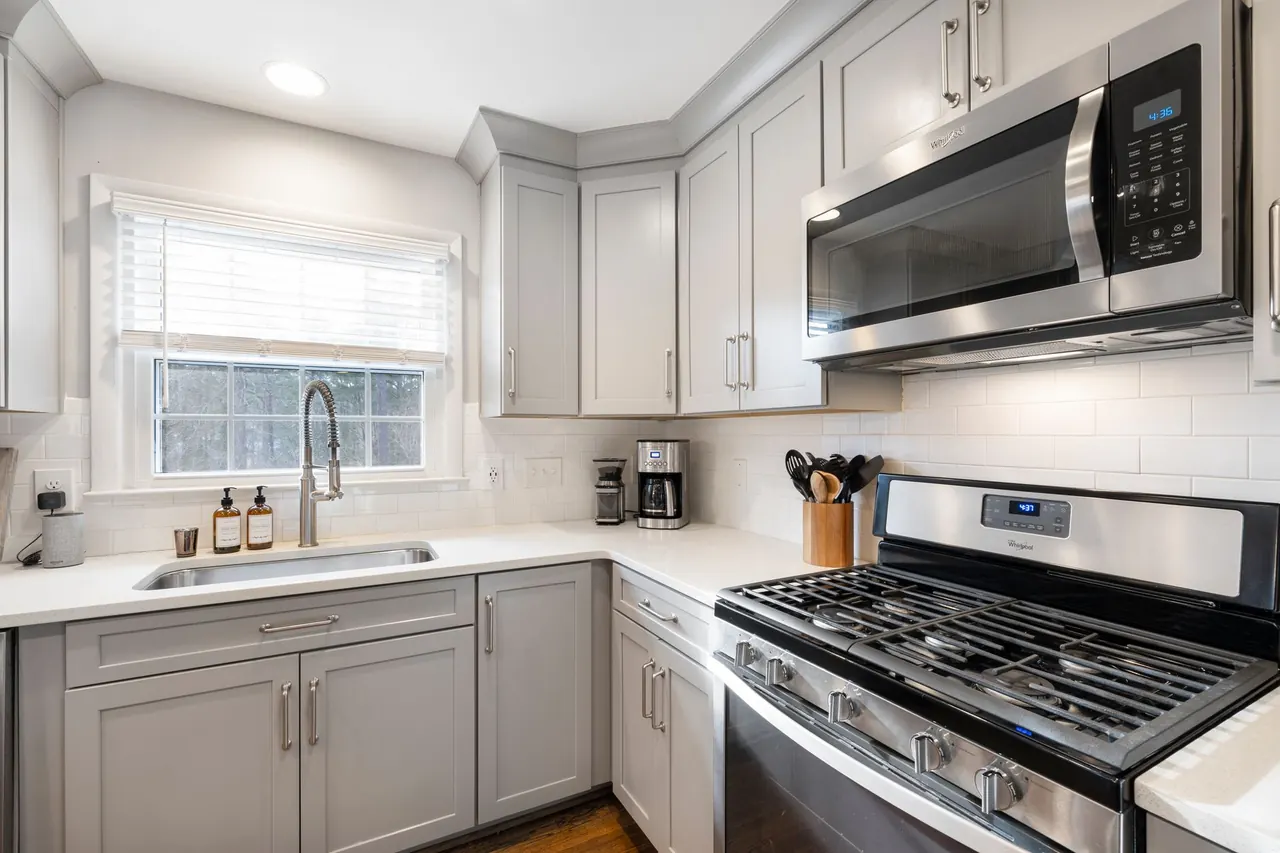
Downtown Lawrenceville is compact, but parking and one-way streets make navigation a skill. We use the Gwinnett County Courthouse and Lawrenceville Historic Square as our primary orientation points. From there, we can reach the Aurora Theatre block, Lawrenceville City Hall, and the Gwinnett Justice and Administration Center without circling. If you give us a cross street near any of these landmarks, we will find you.
The courthouse is our main orientation point for the downtown grid. Calls near the courthouse usually mean tight parking, so we stage on adjacent side streets and walk equipment in. It helps us route quickly without blocking traffic.
The square anchors the historic district and helps us locate the surrounding blocks fast. Most of our Downtown staging happens within a few blocks of the square. If you are near the square, we can usually see your building from our staging point.
The Aurora Theatre block is a useful landmark for calls on the north side of downtown. Evening shows mean heavier foot traffic, so we schedule non-emergency work earlier in the day when possible. Emergency calls still roll 24/7.
This building helps us orient calls on the government-campus side of downtown. Parking is structured here, which makes staging easier than the historic blocks. We use it as a reference point for addresses on the surrounding streets.
City Hall is a reliable reference for the central downtown blocks. Calls near City Hall often involve older commercial buildings with original drain lines. Knowing the building age helps us choose the right tool before we arrive.
A concentrated row of independent restaurants and cafes around the historic square. These kitchens run high volumes and produce grease clogs regularly. We handle routine drain cleaning for several of these accounts on a scheduled basis.
A mix of retail storefronts and small service businesses along North Clayton Street. Older plumbing and shared drain lines mean a clog in one unit can affect a neighbor. We camera-inspect shared lines before we cable to avoid pushing the clog downstream.
SR 124 runs along the eastern edge of downtown and gives us a fast north-south route to calls in the North Clayton Street area. We use it to bypass square traffic during peak hours.
Transit routes converge near the courthouse and square, which means bus lanes and stops can affect parking. We plan staging around transit stops to avoid blocking buses while we work.
We cover the historic core and the surrounding blocks that make up Downtown Lawrenceville. If you are in the Historic Downtown district, the Gwinnett County Courthouse area, Lawrenceville Square, Old Town, or the North Clayton Street area, you are on our regular route. Response times stay under an hour for most of these blocks because we stage trucks nearby.
The oldest building stock in Gwinnett County sits here, with cast iron drain lines and original venting. Kitchen sink clogs in these buildings often trace back to pipe scale buildup rather than a fresh blockage. We camera-inspect before we cable so we do not damage fragile pipe. We stage near Lawrenceville Square, so response is typically under 30 minutes.
A mix of professional offices and older commercial kitchens. Grease clogs in the small eateries around the courthouse are common because the lines were sized for lighter use. We hydro jet these lines to restore full diameter and prevent repeat backups. Our courthouse-corridor staging point puts us on site in about 20 minutes.
Residential blocks with a mix of renovated historic homes and mid-century builds. Many have original PVC pipes or cast iron that has never been jetted. Slow draining sink complaints here usually mean buildup, not a hard clog. A camera inspection tells us which. Old Town is a short run from our square staging area, usually 25 to 35 minutes.
A busy corridor with a blend of retail and residential. Kitchen sink backup calls here often involve food particle clog from heavy daily cooking. We run a drain snake first, then verify with a pipe inspection camera before we leave. North Clayton Street is on our daily route, with typical arrival in 30 to 40 minutes.
These are real job patterns we see in Downtown Lawrenceville. The details change, but the causes repeat: old pipes, heavy grease, and lines that have never been jetted. Here is how we handle them.
A downtown restaurant near Lawrenceville Square had a kitchen sink backup during Friday dinner service. The line had been snaked twice by another company and clogged again within a week. We ran a pipe inspection camera and found heavy grease and pipe scale buildup on the cast iron walls. Snaking had punched a hole through the clog but left the buildup. We hydro jetted the line at controlled pressure, then camera-verified full flow before we left. The kitchen reopened the same night. No repeat clog in the following six months, and the restaurant moved to a quarterly jetting schedule.
A homeowner in the North Clayton Street area reported a slow draining sink that had gotten worse over months. Water pooled in the sink for several minutes after each use. We pulled the P-trap and found a food particle clog mixed with grease. The drain snake cleared the immediate blockage, but the camera showed buildup further down the line. We hydro jetted the kitchen branch line and replaced the worn sink strainer while we were there. Drain flow returned to normal. The homeowner scheduled a follow-up camera check at 12 months, and the line was still clear.
An Old Town property with original cast iron drains had a recurring kitchen sink backup every few weeks. Multiple snaking attempts had not solved it. Camera inspection revealed root intrusion at a joint in the main sewer line under the kitchen. We hydro jetted the line to clear the roots, then applied a foaming root treatment. We also replaced a failing P-trap that was catching debris. No backups for over a year. The property owner now runs an annual camera inspection to catch root regrowth early.
Downtown Lawrenceville's climate swings from hot, humid summers to occasional hard freezes in winter. Each season changes what we see on drain calls. Fall is when we start getting calls about grease clogs as holiday cooking ramps up. Winter brings frozen line risks in older crawlspaces. Here is what to expect through the year, and how to stay ahead of it.
Spring rain and warmer temperatures push tree roots toward sewer lines. In the older Downtown blocks, root intrusion at pipe joints is a common cause of kitchen sink backups. We see a spike in main line calls from March through May.
Summer is peak season for restaurant grease clogs in the Lawrenceville Square district. Higher kitchen volumes and hot weather keep grease liquid longer, so it travels further down the line before cooling and hardening. We run extra emergency trucks during summer evenings.
Fall brings holiday cooking and heavier kitchen use in Old Town and the North Clayton Street area. Food particle clogs and grease buildup rise as residents cook more. This is also when we start pre-winter inspections for older homes.
Winter cold snaps can freeze exposed drain lines in older Downtown crawlspaces and basements. When a line freezes, the kitchen sink backs up with nowhere to drain. We see these calls most often in the Historic Downtown blocks with uninsulated pipes.
Downtown Lawrenceville is our home base, but we run drain calls across the surrounding Gwinnett County communities. If you are in one of the neighborhoods below, you are on our regular route. We dispatch from the downtown core, so response times stay reasonable across the region.
About 15 minutes southwest of Downtown Lawrenceville. We run regular drain calls here and can usually schedule same-day service.
Local coverage and details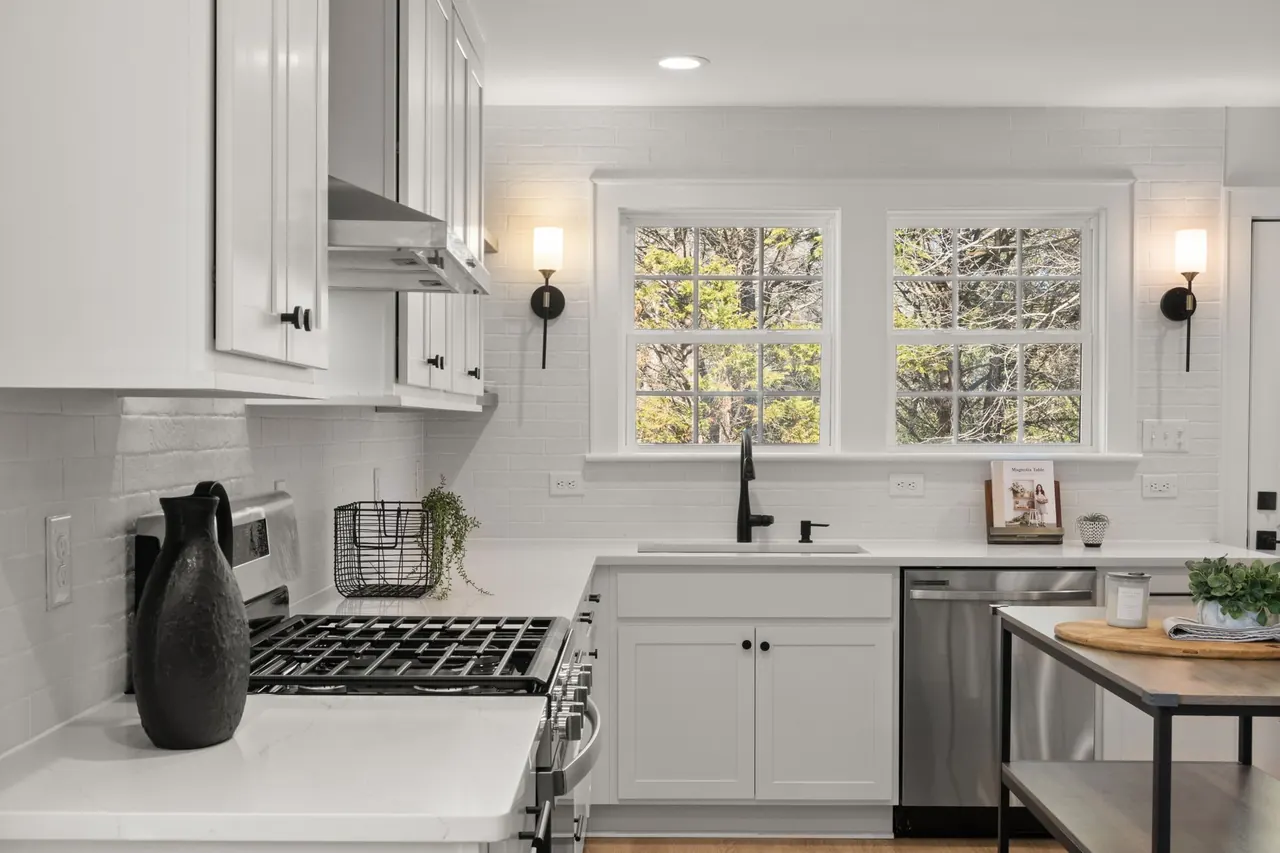
Roughly 20 minutes southeast of the downtown core. We cover kitchen sink and main line clogs in this community on our regular route.
Local coverage and details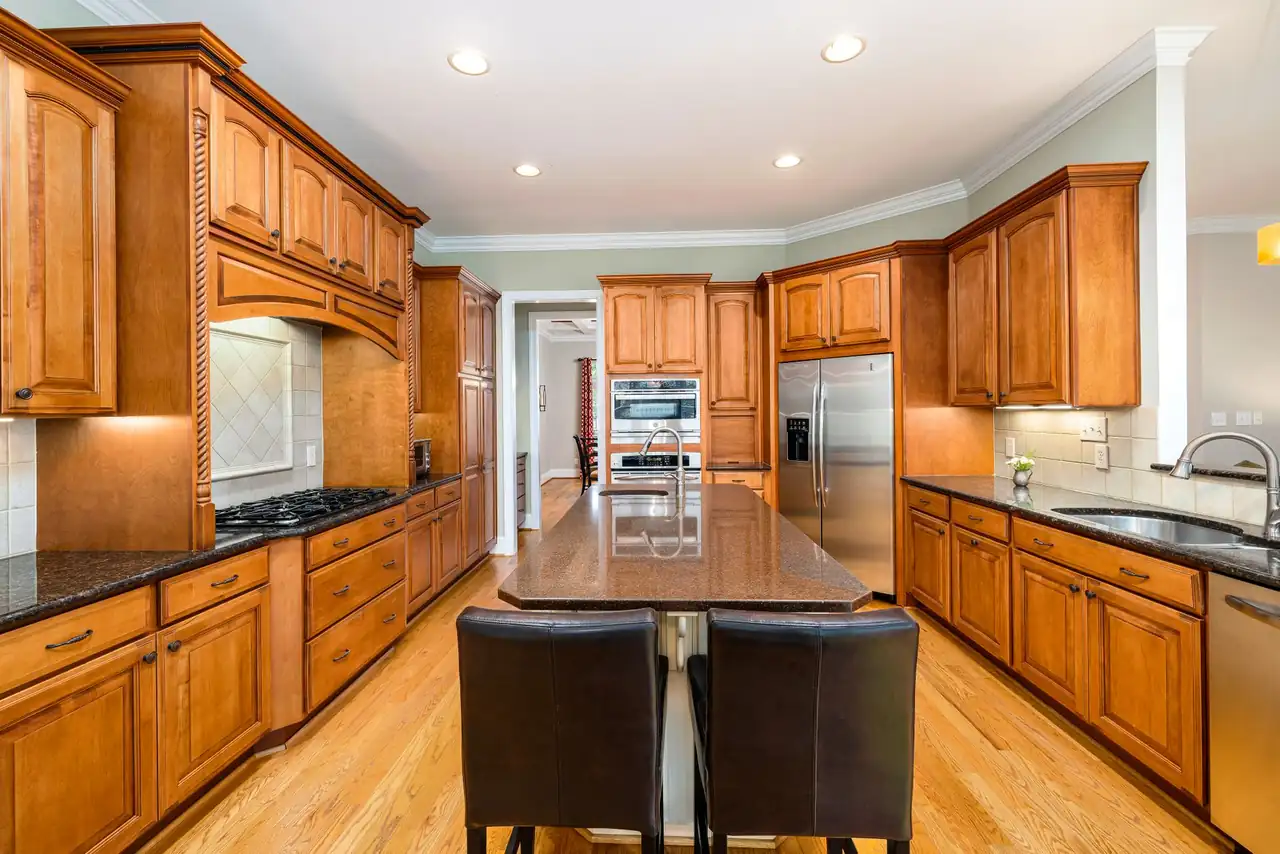
About 15 minutes from Downtown Lawrenceville. A common stop for us on the way back from calls in the eastern part of the county.
Local coverage and details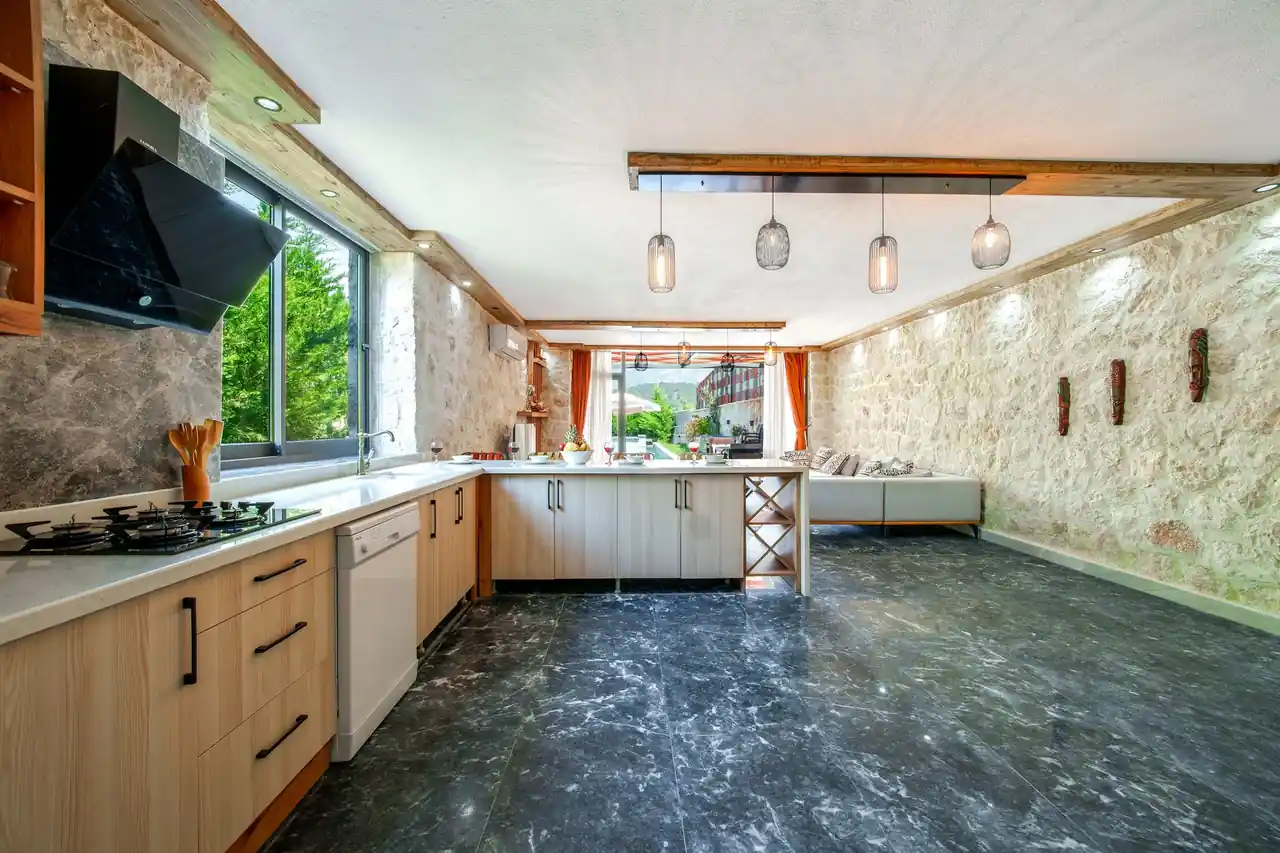
Roughly 20 minutes northwest of downtown. We handle residential kitchen sink unclogging and sewer line cleaning here regularly.
Local coverage and detailsNot every drain crew knows how to work in Downtown Lawrenceville's older buildings. Before you hire, ask a few questions that separate a qualified contractor from a cable-and-go operation. The answers tell you whether they will fix the problem or just punch a hole through it.
A camera inspection shows whether the clog is fully cleared or just punched through. In older Downtown pipes, scale and grease can remain on the walls and cause a repeat clog within weeks. A contractor who skips the camera is guessing.
Georgia requires a state plumbing license for drain work beyond simple snaking. An unlicensed contractor may not pull the required Gwinnett County plumbing permit, which can void your insurance on water damage claims. Ask for the license before work starts.
A contractor based across the county may take an hour or more to reach the square. We stage trucks near the courthouse corridor, so our Downtown response is typically under 60 minutes. Ask where they dispatch from before you commit.
Snaking clears a path through the clog but leaves buildup on the pipe walls. Hydro jetting scours the walls clean. For recurring clogs in older Downtown buildings, jetting is the only fix that lasts. A contractor who only snakes will be back.
Hourly pricing on a drain call can balloon if the clog is deeper than expected. We quote a flat price before we start, and if the scope changes after camera inspection, we tell you the new number before we continue. No surprises on the invoice.
Lic. #PL-204118
Gwinnett County registered contractor
Georgia Association of Plumbing Inspectors
Occupational Safety and Health Administration
International Association of Plumbing and Mechanical Officials
$2M general liability and full workers compensation
Member
Member
Most residential kitchen sink clogs in Downtown Lawrenceville run $180 to $450 in 2026. Commercial grease clogs in the Lawrenceville Square restaurant district typically run $350 to $700 because they take longer and require hydro jetting. Main sewer line clogs can reach $900 depending on depth and access. We quote the price before we start, so you know the number upfront.
Look for a crew that camera-inspects before and after, carries hydro jetting equipment, and works under a Georgia plumbing license. We stage trucks near the Gwinnett County Courthouse area so our Downtown response is typically under 60 minutes. We handle both the historic residential blocks and the restaurant district around Lawrenceville Square. Ask any contractor whether they jet or only snake.
Yes. We run 24/7 emergency drain unclogging in Downtown Lawrenceville, Georgia, including weekends and holidays. If a restaurant kitchen backs up during dinner service, we dispatch from our courthouse-corridor staging point. Most emergency calls in the square and North Clayton Street area get a tech on site within 60 minutes. Call and we roll.
The biggest causes in Downtown Lawrenceville are grease buildup, food particle clogs, and pipe scale in older cast iron lines. The Historic Downtown blocks have decades-old drain pipes that narrow over time. Add daily cooking volume from Old Town and North Clayton Street area homes, and you get recurring clogs. A camera inspection tells you which cause you are dealing with.
Our typical response time for Downtown Lawrenceville is under 60 minutes. We stage trucks near the Gwinnett County Courthouse area and Lawrenceville Historic Square, so the historic blocks, Old Town, and the North Clayton Street area are all within a short run. Emergency calls go out 24/7. Same-day scheduling is available for most non-emergency calls placed before 2 p.m.
Not seeing your question? Our local team can help you understand urgency, scheduling and what to expect.
Ask the local team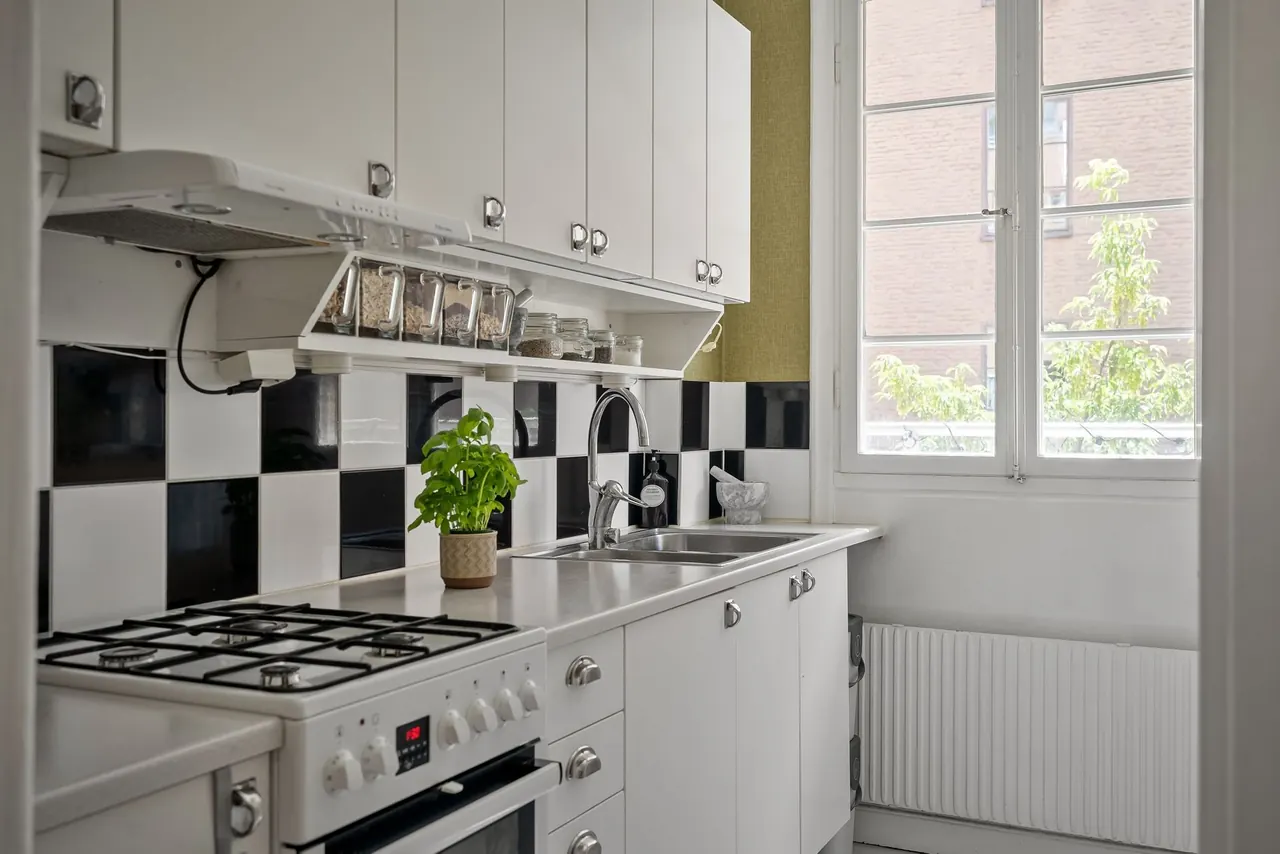
Call +14704028172 and you will talk to a real person, not a phone tree. We book same-day kitchen sink unclogging slots most mornings and answer emergency calls around the clock. If you would rather send details, email info@lawrencevillesinkpros.com with your address and what the sink is doing, and we will call you back with a window.